
Tanzania Safari Travel Tips & Safety Guide
Everything you need to know before your African adventure. Discover practical safari travel tips, wildlife safety rules, local customs and expert advice for exploring Tanzania with confidence.
Essential Tanzania Safari Advice for First-Time Visitors
A Tanzania safari is one of Africa's most extraordinary travel experiences. From the vast Serengeti plains to the Ngorongoro Crater and Tarangire National Park, every destination offers unforgettable encounters with wildlife.
Knowing what to expect before your safari helps you travel comfortably, respect local communities and enjoy wildlife responsibly.
At Abdi Expeditions, our local guides help travellers explore Tanzania with practical advice, carefully planned itineraries and a strong commitment to safety.
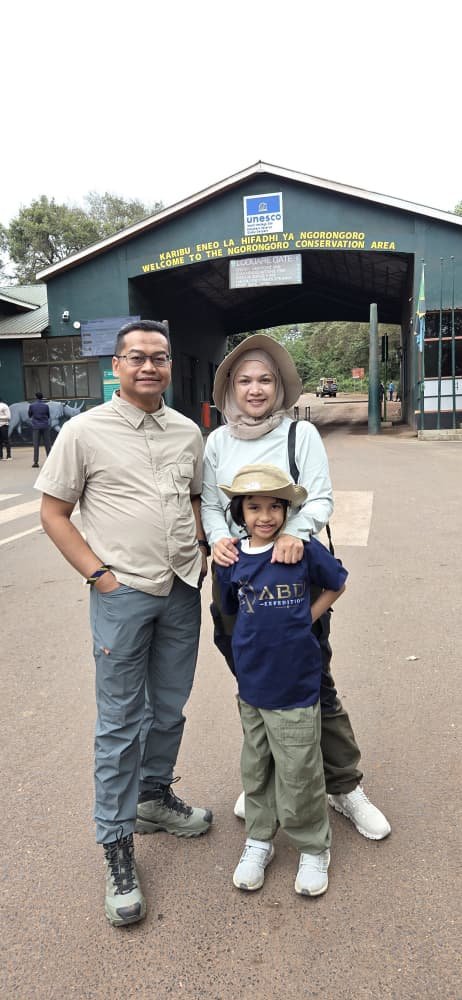
15 Essential Tanzania Safari Travel Tips
These practical tips will help you prepare for your safari, travel comfortably and make the most of every wildlife encounter.
Choose the Right Safari Season
The dry season from June to October is popular for wildlife viewing. Green-season safaris offer lush landscapes and rewarding photography opportunities.
Book With a Knowledgeable Local Operator
Choose an established safari company that provides clear itineraries, experienced guides and transparent pricing.
Allow Enough Time for Your Safari
A 4–6 day safari is a popular option for visiting several Northern Circuit destinations. Longer itineraries allow more relaxed exploration.
Pack Light, Comfortable Clothing
Choose breathable clothing in neutral colours. Include warm layers for early-morning game drives and cooler highland destinations.
Carry Your Travel Documents
Keep your passport, visa documentation, applicable insurance certificate and accommodation details accessible.
Protect Yourself From the Sun
Bring sunscreen, sunglasses and a wide-brimmed hat. The sun can be strong even when temperatures feel comfortable.
Stay Hydrated
Drink safe water regularly, particularly during warm days and extended game drives.
Prepare for Dusty Roads
Some safari roads are dusty and uneven. Protect camera equipment and carry a light scarf if useful.
Bring Binoculars
Binoculars help you appreciate birds, distant predators and wildlife without approaching animals too closely.
Respect Wildlife
Never feed, chase or attempt to touch wild animals. Follow park regulations and your guide's instructions.
Be Patient With Wildlife Sightings
Wildlife movements are unpredictable. Enjoy the full ecosystem rather than expecting guaranteed sightings of particular species.
Carry Some Tanzanian Shillings
Local currency is useful for small purchases and expenses outside your prepaid package.
Respect Local Traditions
Ask permission before photographing people and be considerate of local customs and communities.
Keep Your Phone Charged
Carry a power bank and appropriate charging accessories. Mobile reception may be limited in remote national parks.
Enjoy the Experience
Take time to appreciate the landscapes, sounds and small wildlife encounters that make Tanzania special.
Wildlife Safety Rules on a Tanzania Safari
Tanzania's national parks are protected wilderness areas where wild animals move freely. Respecting their space is essential for visitor safety and conservation.
Stay Inside the Vehicle
Remain inside the safari vehicle unless your guide confirms that stopping or exiting is permitted.
Never Feed Wild Animals
Feeding wildlife can change natural behaviour and create dangerous situations for animals and people.
Keep a Respectful Distance
Do not encourage your guide to approach wildlife too closely or block animal movements.
Follow Camp Safety Instructions
In unfenced camps, never walk outside after dark without following staff guidance.
Keep Noise to a Minimum
Avoid shouting or making sudden movements near wildlife.

Respecting Tanzania's People & Traditions
Tanzania is known for its hospitality, cultural diversity and welcoming communities. A little local knowledge can enrich your experience.
Learn a Few Swahili Words
Simple greetings such as "Jambo" (hello), "Asante" (thank you) and "Karibu" (welcome) can make interactions more meaningful.
Ask Before Taking Photos
Always request permission before photographing local people, particularly in villages and communities.
Dress Appropriately
Comfortable casual clothing is suitable for safari. Dress more conservatively when visiting religious sites or traditional communities.
Money, Mobile Networks & Internet in Tanzania
Understanding local payments and connectivity will help you travel more comfortably.
Tanzanian Shilling
Tanzania's local currency is the Tanzanian shilling (TZS). Carry some cash for smaller purchases and incidental expenses.
Cards & Cash
Many established hotels accept cards, but smaller businesses may prefer cash or local mobile payments.
Mobile Internet
Local SIM and eligible eSIM options may be available. Coverage can be limited in remote safari regions.
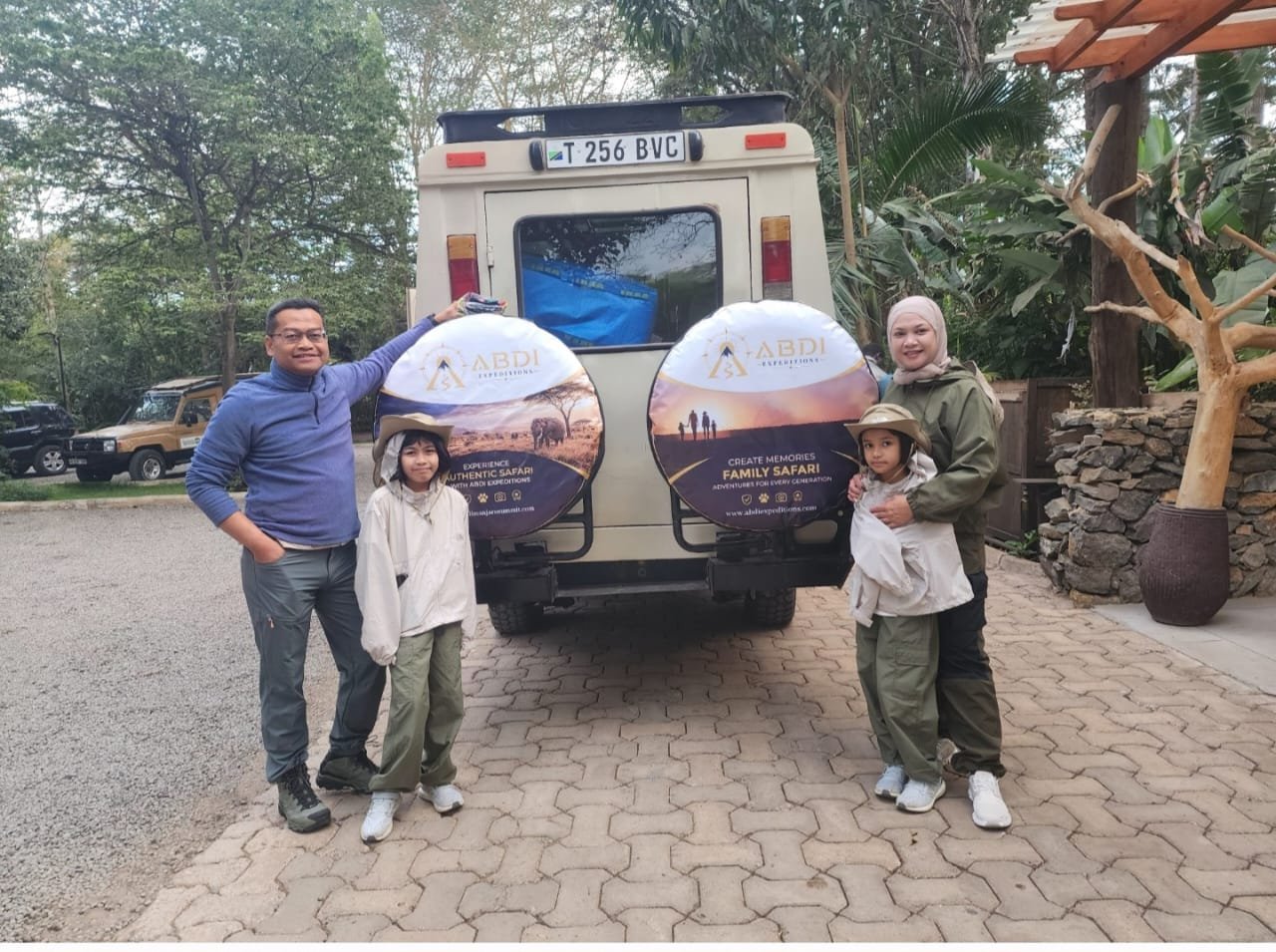
What Should You Pack for a Tanzania Safari?
Packing the right essentials helps you stay comfortable during early game drives, warm afternoons and changing weather conditions.
- Lightweight, neutral-coloured clothing
- Warm fleece or jacket for early mornings
- Comfortable walking shoes
- Sun hat, sunscreen and sunglasses
- Insect repellent and personal medication
- Camera, binoculars and power bank
- Passport, visa and insurance documents
Tanzania Safari Safety FAQs
Answers to common questions about travelling safely and comfortably in Tanzania.
Is Tanzania safe for tourists on safari?
Tanzania is an established safari destination, but travel involves risks. Visitors should use reputable operators, follow park rules, remain aware of their surroundings and check current government travel advice.
Is it safe to visit Serengeti National Park?
Serengeti National Park welcomes visitors on organised wildlife safaris. Always follow your driver-guide's instructions and park regulations, particularly around wild animals.
Can I leave the safari vehicle during a game drive?
Only where permitted and when your guide confirms it is safe. Never exit the vehicle independently near wildlife.
Are Tanzania safaris suitable for children?
Yes. Many families enjoy Tanzania safaris. Choose suitable accommodation, age-appropriate activities and manageable driving schedules.
Do I need travel insurance for Tanzania?
Mandatory inbound travel insurance applies to qualifying foreign visitors, subject to exemptions. Comprehensive medical and evacuation coverage is also strongly recommended.
What should I avoid doing on safari?
Do not feed wildlife, leave the vehicle without permission, litter, disturb animals or ignore park regulations.
Can I use my mobile phone in national parks?
Mobile reception is available in some safari areas, but connectivity varies and may be unreliable in remote locations.
Is it safe to travel to Tanzania alone?
Solo travellers can enjoy organised safaris with experienced guides. Take normal precautions, arrange reliable transfers and share your itinerary with someone you trust.
What should I do if I feel unwell during a safari?
Inform your guide promptly. Your guide can help coordinate appropriate medical assistance. Serious symptoms require urgent professional assessment.
Can I combine a safari with Kilimanjaro or Zanzibar?
Yes. Abdi Expeditions can arrange combined itineraries featuring Mount Kilimanjaro, Tanzania's national parks and Zanzibar.
More Tanzania Safari Travel Guides
Explore our practical resources and prepare for your next Tanzania adventure.
Best Time for Safari
Explore wildlife seasons, weather patterns and the Great Migration.
Safari Health & Vaccinations
Understand malaria prevention, vaccinations and health preparation.
Visa & Entry Requirements
Review tourist visas, passport requirements and travel documentation.
Ready to Discover Tanzania?
Experience Tanzania's extraordinary wildlife and landscapes with experienced local safari guides. Tell us your preferred travel dates, group size and dream destinations, and we will help you plan your personalised safari.
Plan My Tanzania Safari →Email: info@abdiexpeditions.com