
Lemosho Route Kilimanjaro Climb
7 or 8 Days to the Roof of Africa
Experience one of the most scenic routes on Mount Kilimanjaro. Trek through lush rainforest, cross the spectacular Shira Plateau, explore dramatic alpine landscapes, and journey toward Uhuru Peak at 5,895 metres.
Stunning Scenery
Rainforest, moorland, alpine desert and glacier views.
Great Acclimatization
Gradual ascent for better altitude adaptation.
Professional Team
Experienced guides, cooks and porters.
Safe & Well Organised
Quality equipment and emergency support.
Flexible Options
7-day and 8-day itineraries to suit your time and fitness.

About the Lemosho Route
The Lemosho Route begins on the western side of Mount Kilimanjaro and offers one of the mountain's most scenic trekking experiences. Its varied landscapes, beautiful Shira Plateau and gradual approach make it a popular choice for climbers seeking an unforgettable journey to the summit.
Trek through lush rainforest, explore dramatic alpine landscapes, climb the famous Barranco Wall and continue toward Uhuru Peak at 5,895 metres above sea level.
Compare 7-day and 8-day Lemosho itineraries.
Choose Your Lemosho Route Package
Discover the beauty of Mount Kilimanjaro with two carefully planned Lemosho trekking options. Compare the duration and choose the journey that best fits your schedule and climbing goals.
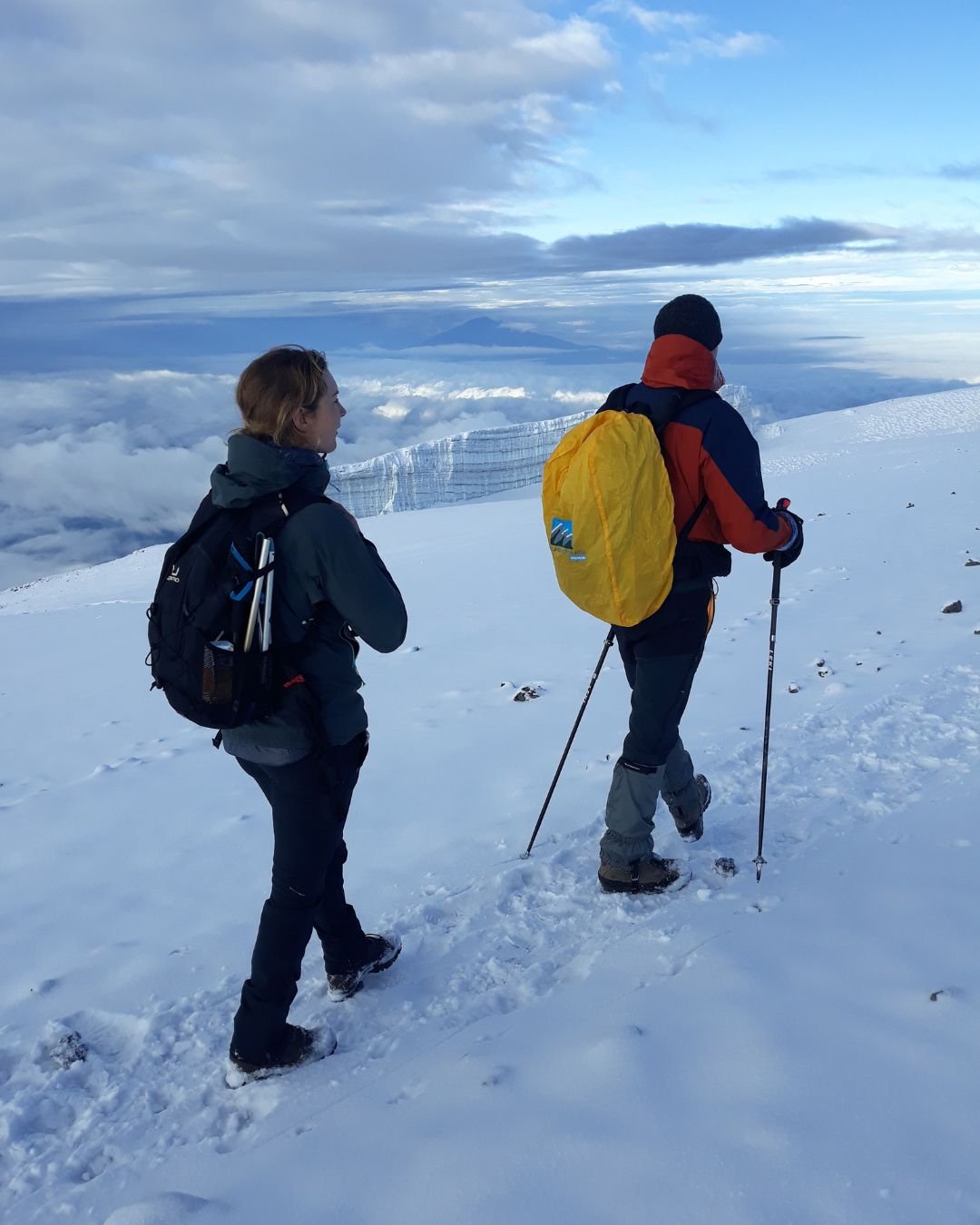 The Scenic Adventure
7 Days on the Mountain
7-Day Lemosho Route
Experience the spectacular western approach to Kilimanjaro, trekking through beautiful landscapes toward Uhuru Peak. A shorter itinerary for climbers with limited time who are comfortable with a more compact schedule.
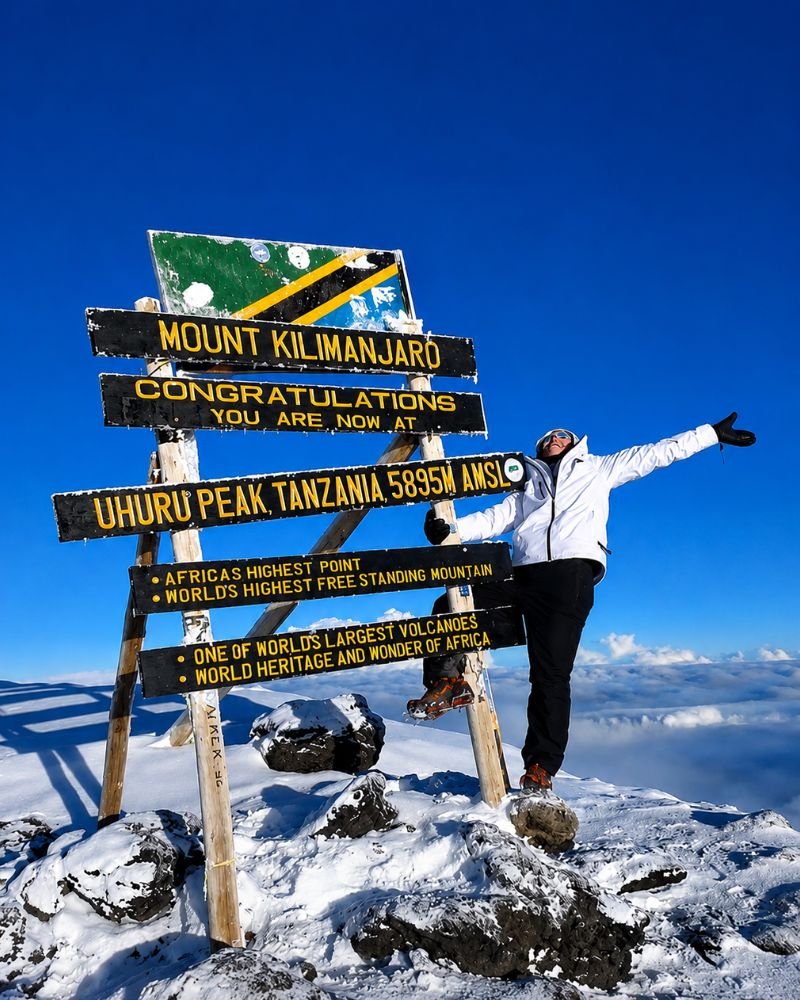 Recommended
The Extended Journey
8 Days on the Mountain
8-Day Lemosho Route
Enjoy a longer journey across Kilimanjaro's remarkable landscapes. The extra trekking day allows a more gradual schedule and additional time for altitude adaptation compared with the 7-day option.
Our recommendation: The 8-day Lemosho Route is generally preferred because the longer itinerary provides more time for gradual acclimatization. Summit success depends on individual health, preparation, weather and how your body responds to altitude.
Not sure which itinerary is right for you?
Talk to Our Kilimanjaro Team7-Day Lemosho Route Itinerary
Discover the scenic western approach to Mount Kilimanjaro. Trek through rainforest, cross the Shira Plateau, pass beneath the dramatic Barranco Wall and make your summit attempt at Uhuru Peak, 5,895 metres above sea level. Explore each stage of your journey below.
Your Journey Begins in Tanzania
Arrival, hotel check-in and pre-climb preparation.
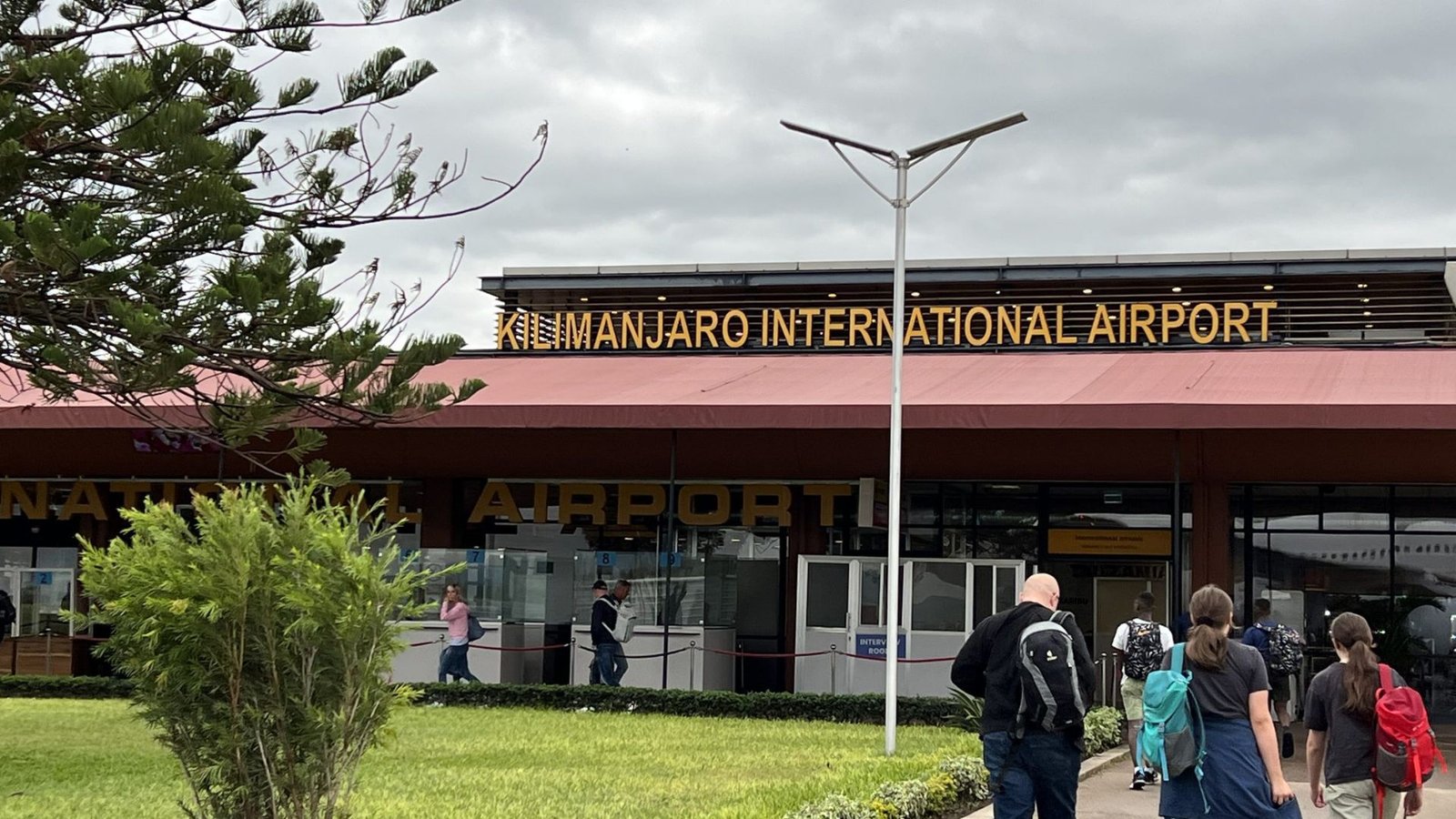
Welcome to Tanzania
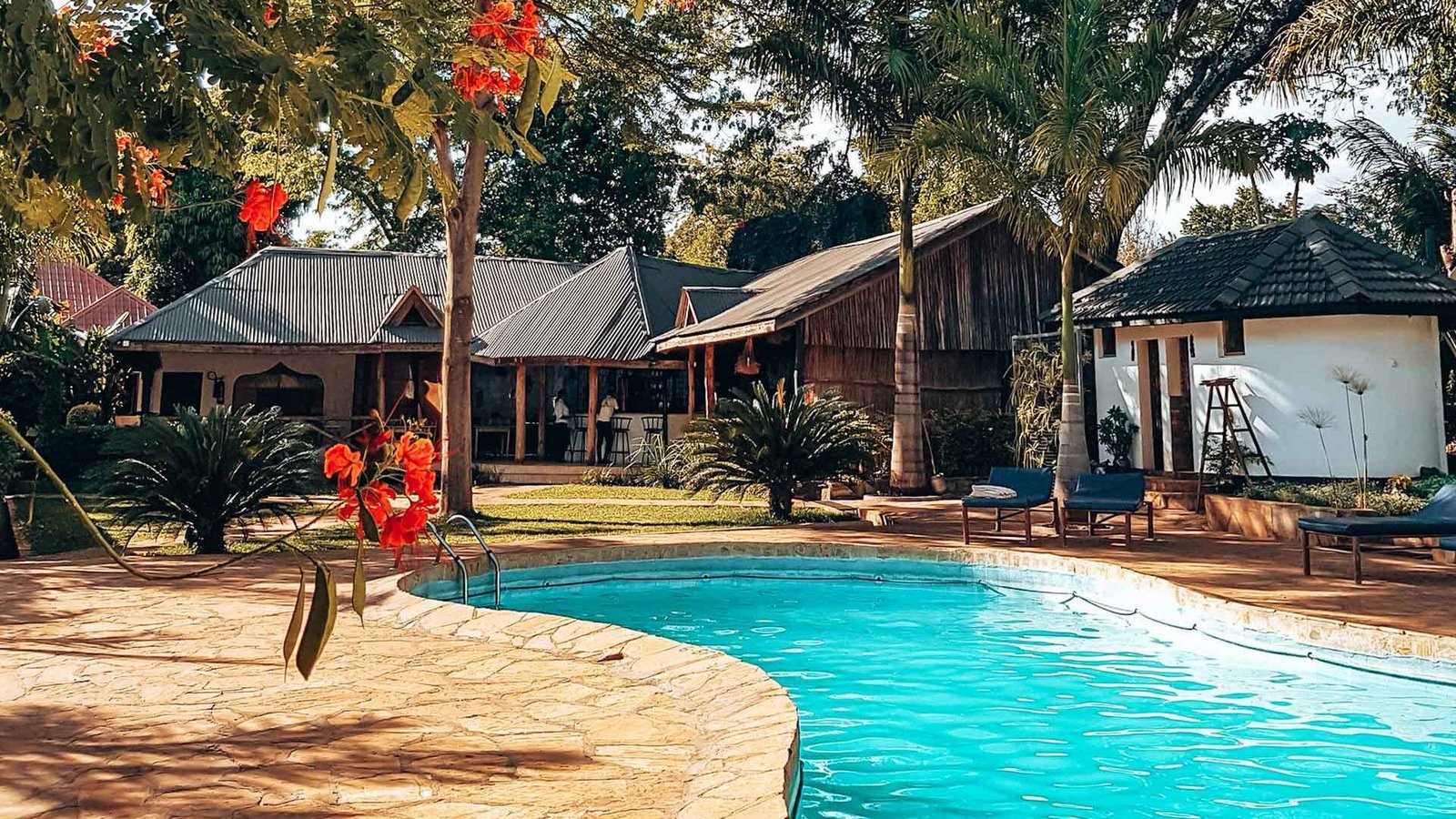
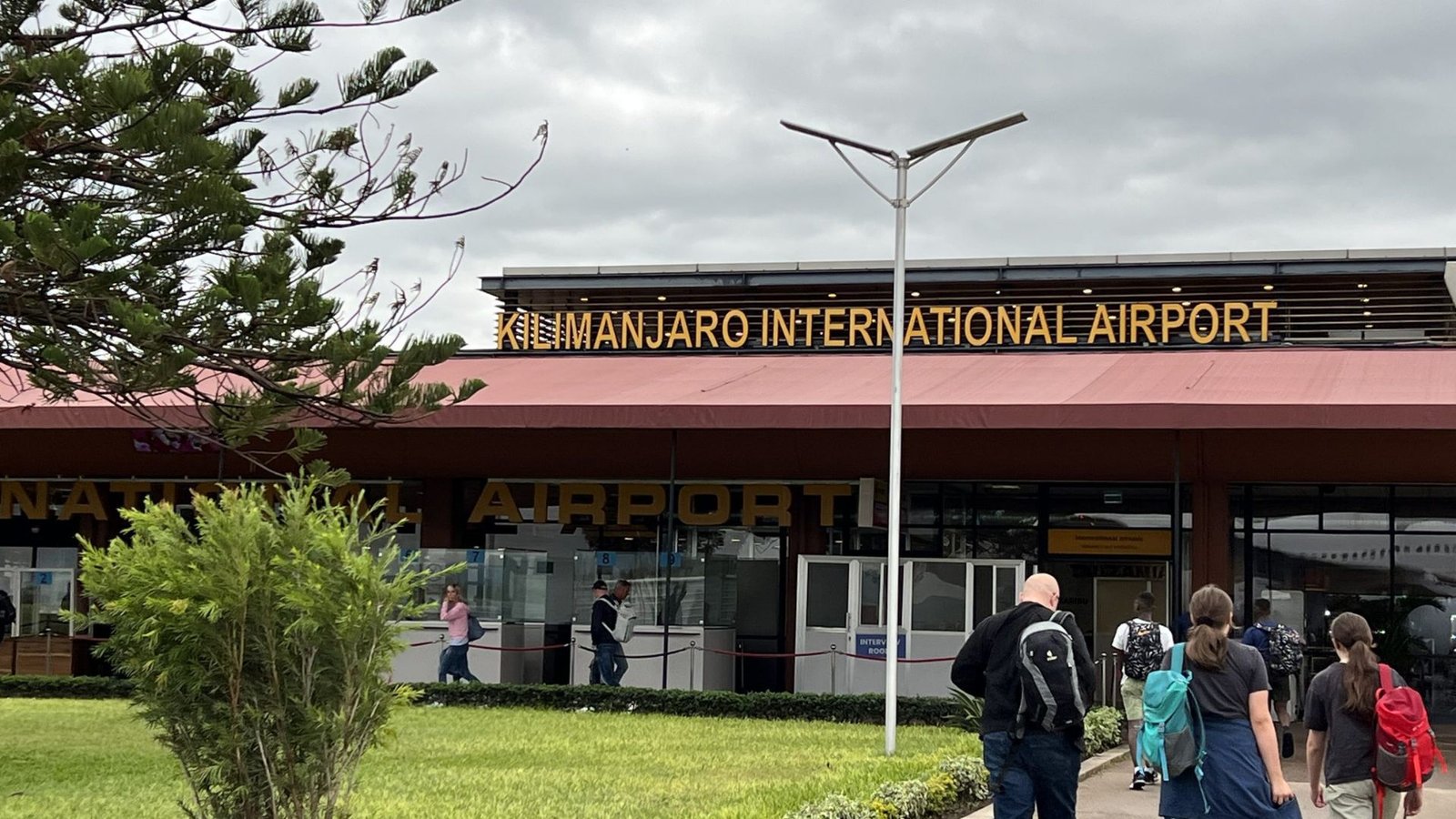
Upon arrival at Kilimanjaro International Airport (JRO), your transfer will take you to your hotel in Moshi. Settle into your room and take time to relax after your journey.
Meet your guide for a pre-climb briefing, review the itinerary and complete your gear check. Your guide will explain the mountain schedule and answer your questions before the trek begins.
Accommodation: Hotel in Moshi, subject to your confirmed package.
Recommended: Arrive early enough to rest and prepare for the climb.
Your Day-by-Day Mountain Adventure
Select “Read full day details” to explore each stage of the route.
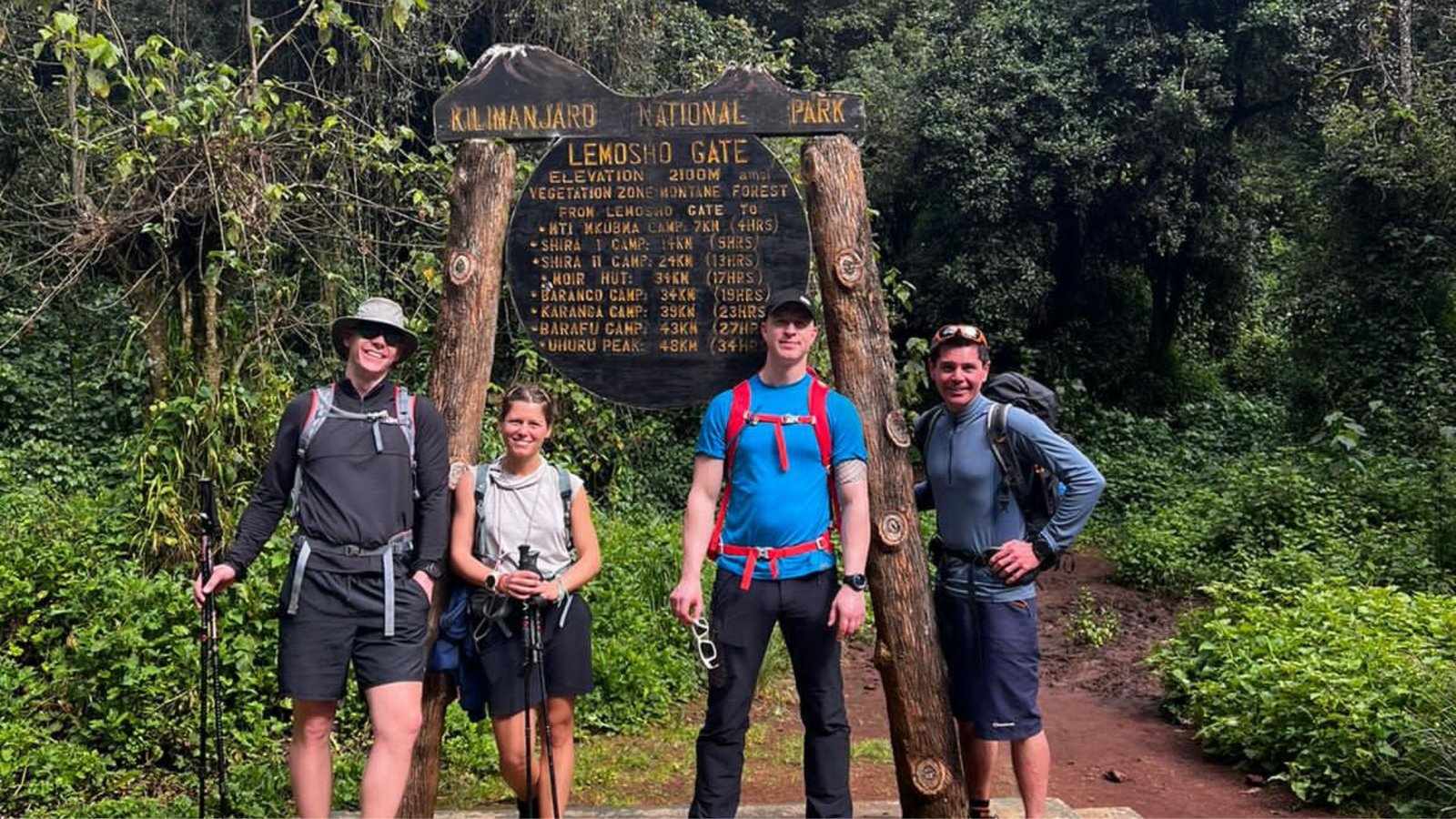
Lemosho Gate to Mti Mkubwa Camp
Complete park registration and begin trekking through the lush rainforest to your first mountain camp.
Read full day details
Your guide and mountain crew will meet you before the drive to Lemosho Gate. Once registration and permits are completed, begin your trek beneath the forest canopy.
The rainforest is rich in vegetation and can be damp, with changing weather conditions. Continue at a comfortable pace toward Mti Mkubwa Camp, where your crew will prepare your mountain accommodation and meals.
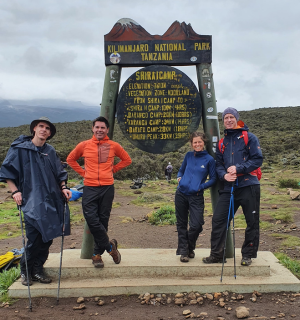
Mti Mkubwa to Shira 2 Camp via Shira 1
Leave the forest behind and cross open moorland on a longer, more demanding trekking day.
Read full day details
After breakfast, climb through the heather and moorland zone. The vegetation becomes lower and the landscape more open as you approach the Shira Plateau.
Stop around Shira 1 for lunch, then continue to Shira 2 Camp. This shortened itinerary skips an overnight camp, making the day longer and increasing the amount of elevation gained.
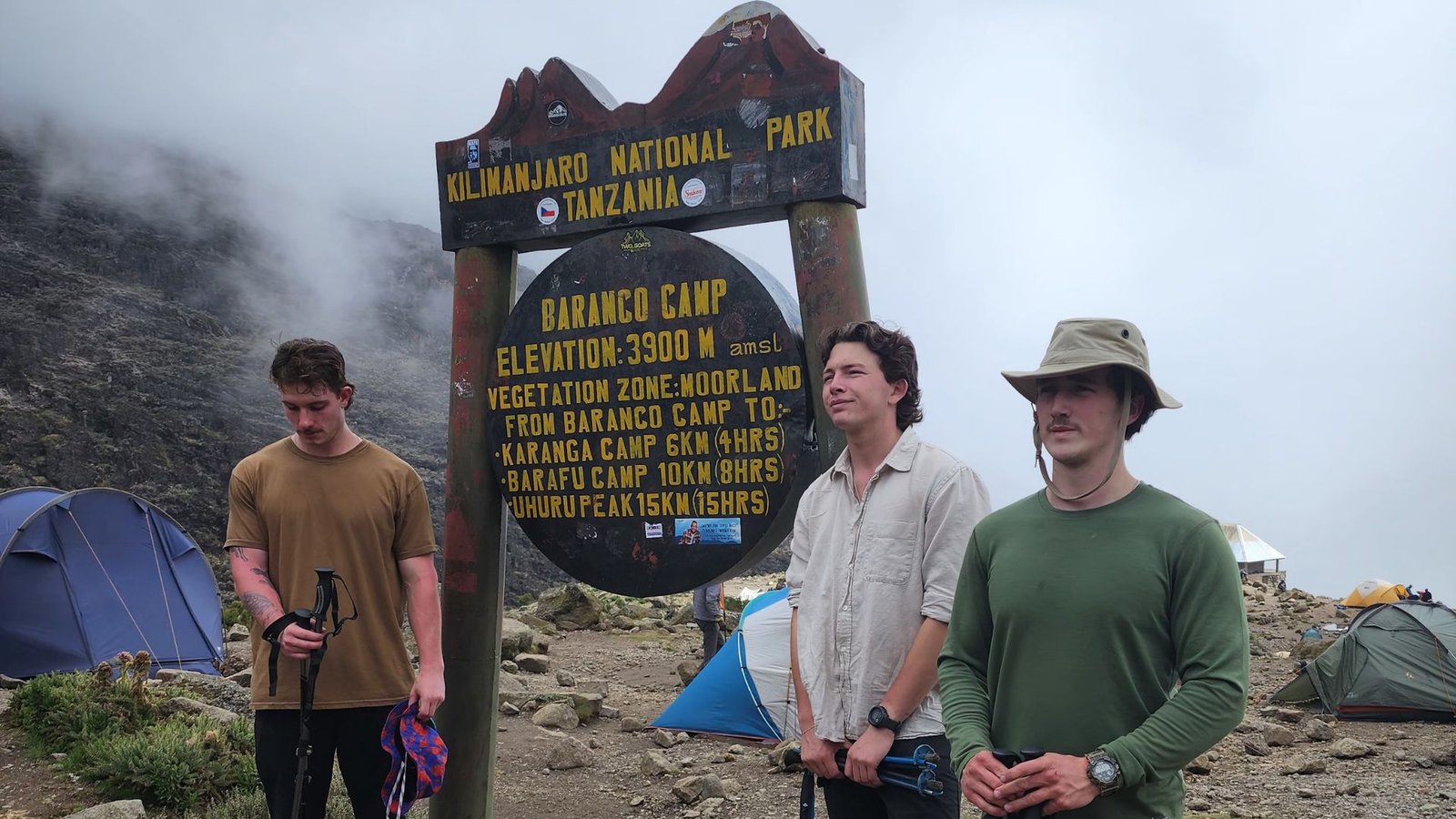
Shira 2 to Lava Tower to Barranco Camp
Climb toward Lava Tower before descending to Barranco Camp, following the “climb high, sleep low” approach.
Read full day details
Trek across the high-altitude terrain toward Lava Tower. Your guide will determine the appropriate pace and rest stops according to conditions and the group's health.
After the high point, descend toward Barranco Camp at approximately 3,900 metres. The camp sits beneath the striking Barranco Wall, which you will climb on Day 4.
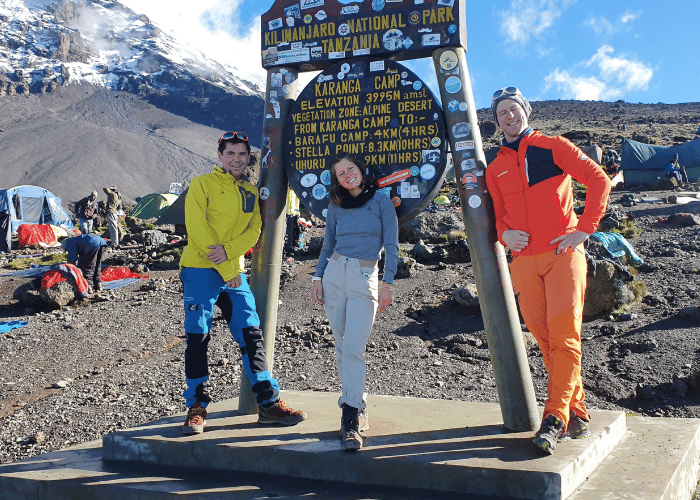
Barranco Camp to Karanga Camp
Climb the famous Barranco Wall, then continue over rolling terrain to Karanga Camp.
Read full day details
Start early to approach the Barranco Wall before the trail becomes busy. Follow your guide's instructions as you carefully negotiate the rocky path.
Beyond the wall, the trail crosses a series of ridges and valleys before reaching Karanga Camp. Rest, eat and hydrate after the trek.
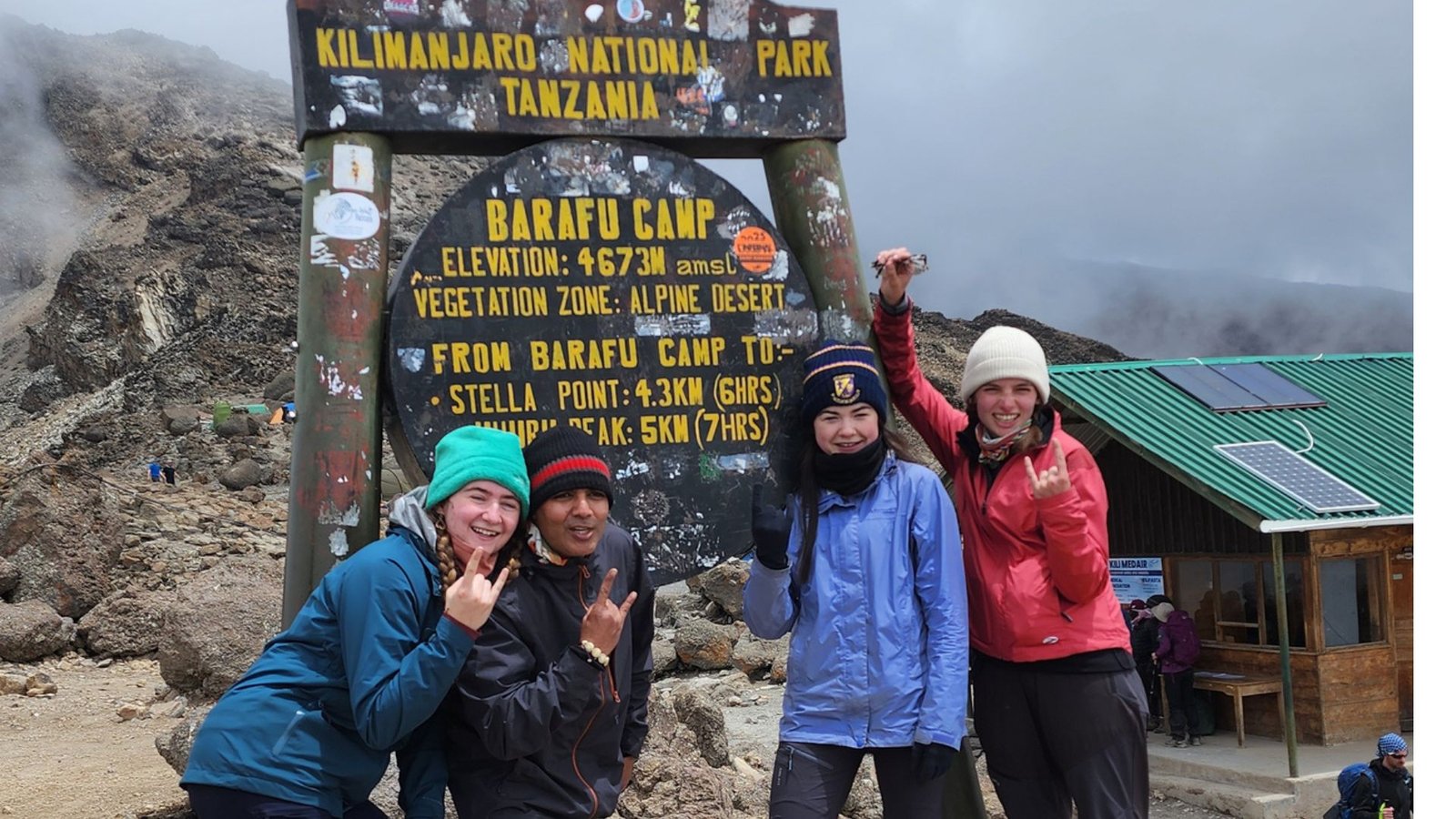
Karanga Camp to Barafu Camp
Ascend to Barafu Camp, the high camp used for the night-time summit attempt.
Read full day details
Continue toward Barafu Camp through a rocky alpine landscape. Once you arrive, the crew will help you settle into camp and prepare for the final ascent.
Eat, hydrate and rest as much as possible. Your guide will brief you on the summit schedule and check that your warm layers, headlamp, gloves and other essential equipment are ready.
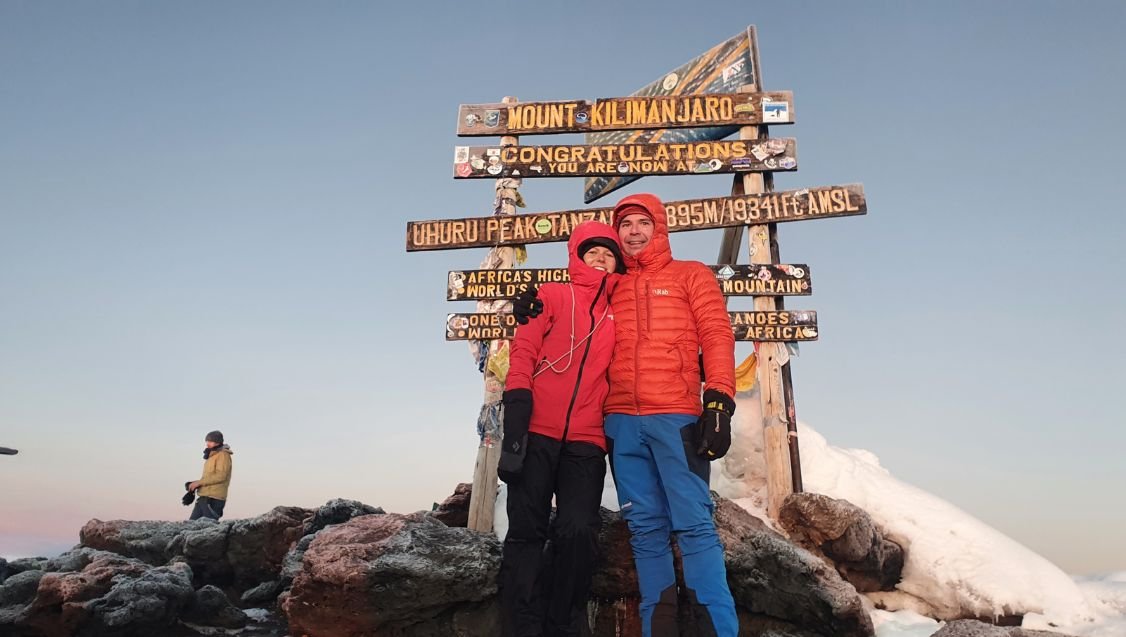
Barafu Camp to Uhuru Peak to Mweka Camp
Begin your night ascent toward the Roof of Africa, then descend to Mweka Camp after the summit attempt.
Read full day details
Your summit attempt normally begins around midnight, depending on weather and your guide's assessment. Trek slowly toward Stella Point and continue to Uhuru Peak when conditions allow.
Celebrate your achievement at the highest point in Africa and take photographs as conditions permit. Descend carefully to Barafu Camp for a short rest, then continue down to Mweka Camp at approximately 3,100 metres.
Mweka Camp to Mweka Gate
Descend through the rainforest to the park exit and return to your hotel in Moshi.
Read full day details
After breakfast at camp, continue descending through the rainforest to Mweka Gate. Complete the park exit formalities and celebrate the completion of your trek with your team.
Climbers who meet the park's certification requirements will receive their appropriate summit or participation certificate. Your transfer will then take you back to Moshi for a well-earned rest.
Departure Day
Relax after your climb and transfer to the airport.
Until We Meet Again
Enjoy a relaxed morning at your hotel after completing your Kilimanjaro climb. Your transfer to Kilimanjaro International Airport or another agreed departure point will be arranged according to your flight schedule.
Check your confirmed booking for hotel check-out times, transfer arrangements and any extra accommodation charges.
7-Day Lemosho Route Prices
Price per person according to the group sizes in your supplied itinerary.
| Group size | Price per person |
|---|---|
| 1 person | USD 2,100 |
| 2–4 people | USD 1,890 |
| 5–7 people | USD 1,800 |
| 8+ people | USD 1,700 |
Please confirm current rates, group-size conditions and package inclusions before publishing. The prices shown here are taken from your supplied itinerary document.
What's Included in Your Climb?
Review the main services and expenses covered by your package.
Package Inclusions
- Professional English-speaking lead guide
- Assistant guides for groups of two or more
- Professional cook and mountain porters
- Mountain sleeping tents and foam sleeping mats
- Private toilet tent and dining tent
- Daily wash basins with hot water
- Three meals daily plus afternoon snacks
- Treated drinking water, tea and coffee
- Pulse oximeter monitoring and daily health assessments
- First aid kit and emergency oxygen
- Park entry, camping and rescue fees
- Pre-trek briefing with your guide
- Round-trip JRO–Moshi transfers
- Round-trip transfers to the park gates
- Two hotel nights in Moshi with breakfast
Package Exclusions
- Tips and gratuities for mountain crew
- Personal trekking clothing and sleeping bag
- Hotel beverages
- Extra meals or hotel stays following an early descent
- Tanzania visa fees
- Travel insurance
- International and domestic flights
- Personal expenses
Ready for Your Kilimanjaro Adventure?
Start planning your Lemosho Route climb with Kilimanjaro Summit. Contact our team to discuss your dates, group size, itinerary and preparation for the Roof of Africa.
Request Your Lemosho Quote8-Day Lemosho Route Kilimanjaro Climb
Discover one of the most scenic ways to climb Mount Kilimanjaro. Trek through rainforest, explore the Shira Plateau, experience the dramatic Lava Tower landscape and Barranco Wall, then continue toward Uhuru Peak at 5,895 metres. Our local mountain team supports you throughout this challenging and rewarding journey.
Arrival Day · Welcome to Tanzania
Airport pickup, hotel check-in and preparation for your expedition.
Your Kilimanjaro Adventure Begins
Upon arrival at Kilimanjaro International Airport (JRO), our team will welcome you and arrange your transfer to your hotel in Moshi.
Relax after your journey, then meet your guide for a pre-climb briefing. Review the itinerary, check your trekking equipment and discuss any final questions.
Accommodation: Hotel in Moshi, bed and breakfast as specified in your package.
Hotel check-in: From 2:00 PM, subject to the hotel policy.
Your Day-by-Day Lemosho Expedition
Eight trekking days from the western slopes to the southern descent route.
Lemosho Gate to Mti Mkubwa Camp
Begin your trek on the western side of Kilimanjaro and follow forest trails to your first mountain camp.
Explore this day's itinerary
After breakfast, meet your guide and mountain crew for a short briefing and final gear check. Drive approximately 3–4 hours to Lemosho Gate, where your guide completes park registration and permit formalities.
Once registration is complete, start trekking through the lush rainforest toward Mti Mkubwa Camp. Enjoy the forest scenery and take breaks at the pace set by your guide.
Mti Mkubwa Camp to Shira 1 Camp
Leave the forest behind and ascend into open heath and moorland, with growing views of the mountain.
Explore this day's itinerary
After breakfast, continue uphill from Mti Mkubwa Camp. The vegetation gradually changes as the trail leaves the dense rainforest and enters the open heath zone.
As you approach Shira 1 Camp, the views open toward the Shira Plateau and Kibo Peak when the weather is clear. Your crew will prepare your camp and a freshly cooked meal.
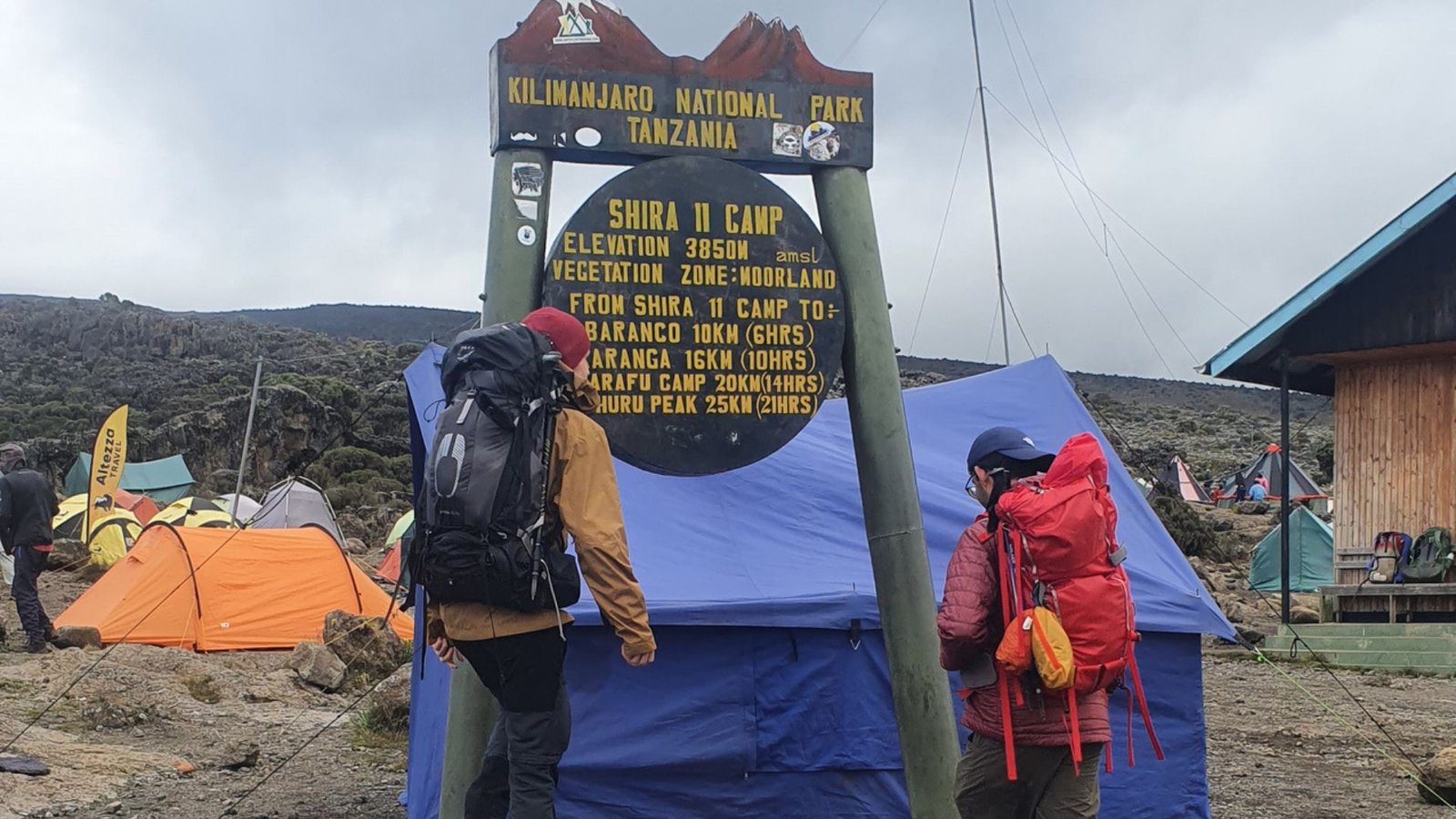
Shira 1 Camp to Shira 2 Camp
Cross the open Shira Plateau and enjoy panoramic landscapes and a gradual increase in elevation.
Explore this day's itinerary
After breakfast, leave Shira 1 Camp and continue across the plateau toward Shira 2 Camp. The gradual trail provides time to enjoy the wide-open scenery and adapt to the increasing altitude.
On clear days, views may extend across the surrounding valleys toward Mount Meru. Your guide may offer an optional walk toward Cathedral Peak, approximately 3,872 metres, depending on the itinerary, weather and your condition.
Shira 2 Camp to Lava Tower to Barranco Camp
Climb toward Lava Tower before descending to Barranco Camp, following the climb-high, sleep-low approach.
Explore this day's itinerary
Leave Shira 2 Camp after breakfast and trek toward Lava Tower, approximately 4,600 metres above sea level. The route includes uphill and downhill sections across high-altitude terrain.
After a planned rest and lunch stop, descend to Barranco Camp. This climb-high, sleep-low approach is intended to support acclimatization. Barranco Camp lies beneath the imposing Barranco Wall, which you will climb the following day.
Barranco Camp to Karanga Camp
Climb the famous Barranco Wall and follow ridges and valleys toward Karanga Camp.
Explore this day's itinerary
Start early to climb the Barranco Wall before the trail becomes congested. Although it looks steep, this is generally a trekking scramble rather than technical rock climbing. Follow your guide's instructions throughout.
After reaching the top, take time to rest and enjoy the views of Kibo Peak. Continue along the trail's ups and downs toward Karanga Camp, where lunch and time to relax await.
Karanga Camp to Barafu Camp
Ascend to Barafu Summit Camp, your base for the night-time attempt on Uhuru Peak.
Explore this day's itinerary
After breakfast, begin the ascent toward Barafu Summit Camp. The terrain becomes increasingly rocky and exposed as you approach the high camp.
Your crew will prepare your tents and sleeping gear. After settling in, rest, eat and prepare your clothing, headlamp, gloves and other equipment for the summit attempt after midnight.
Barafu Camp to Uhuru Peak to Mweka Camp
Begin your summit push under the stars, reach Uhuru Peak if conditions allow, and descend to Mweka Camp.
Explore this day's itinerary
The summit attempt usually begins just after midnight. Trek slowly through the cold and darkness toward Stella Point, then continue along the crater rim toward Uhuru Peak, the highest point in Africa.
At the summit, celebrate your achievement and take photographs as conditions permit. Descend to Barafu Camp for a short rest and meal before continuing down to Mweka Camp at approximately 3,100 metres.
Mweka Camp to Mweka Gate
Descend through the rainforest, complete park formalities and return to Moshi after your expedition.
Explore this day's itinerary
After breakfast at Mweka Camp, continue descending through the rainforest to Mweka Gate. Complete the park exit formalities and reflect on your journey with your mountain team.
Eligible climbers will receive the appropriate park summit certificate. Your team will then arrange your transfer back to your hotel in Moshi, where you can rest and recover.
Departure Day · Until We Meet Again
Relax at your hotel and transfer to the airport according to your flight schedule.
Transfer to Kilimanjaro International Airport
Enjoy a relaxed morning after your climb, giving your body time to recover from the expedition.
Your transfer will be arranged according to your confirmed flight schedule. Standard hotel checkout is at 11:00 AM; late checkout may be available at an additional charge, subject to availability.
8-Day Lemosho Route Prices
Price per person in USD, according to your supplied itinerary.
| Group size | Price per person |
|---|---|
| 1 person | USD 2,370 |
| 2–4 people | USD 2,020 |
| 5–7 people | USD 1,945 |
| 8+ people | USD 1,840 |
These are the 2026 rates stated in the supplied itinerary. Confirm current rates and availability before accepting a booking.
What's Included in Your Expedition?
Review the services and arrangements covered by your package.
Package Inclusions
- Professional English-speaking lead guide, Wilderness First Responder certified
- Assistant guides for groups of two or more
- Professional mountain cook and porters
- Porter allowance for equipment and personal luggage, up to 15 kg per client
- Sleeping tents, foam sleeping mats and pillows
- Private toilet tent
- Dining tent with table and chairs
- Daily wash basins with hot water
- Three meals daily plus afternoon snacks
- Special dietary requirements accommodated by arrangement
- Treated drinking water, minimum 3 litres per day
- Tea and coffee served daily
- Pulse oximeter monitoring and daily health assessments
- First aid kit and emergency oxygen
- Park entry, camping, rescue and conservation fees
- Pre-trek briefing with your guide
- Round-trip airport transfers between JRO and Moshi
- Round-trip transfers to the park gates
- Two hotel nights in Moshi with bed and breakfast
Package Exclusions
- Tips and gratuities for the mountain crew
- Personal trekking gear, including sleeping bag and clothing
- Hotel beverages, including water, soda and alcohol
- Extra meals or hotel stays due to an early descent
- Tanzania visa
- Travel insurance
- International and domestic flights
- Personal expenses
Why Climb with Kilimanjaro Summit?
Local knowledge, personal attention and a strong commitment to mountain safety.
Your Roof of Africa Adventure Starts Here
Plan your 8-day Lemosho Route climb with Kilimanjaro Summit. Contact our team to discuss your dates, group size, preparation and current package availability.
Request Your Climbing Quote
The Essential
Kilimanjaro
Packing List
Prepare for every stage of your Mount Kilimanjaro climb with a practical trekking gear checklist. From warm rainforest trails to the cold summit night, the right equipment helps you stay comfortable and ready for the journey.
- Essential clothing and layering for changing mountain conditions
- Footwear, trekking equipment and personal essentials
- An interactive checklist to help you prepare before departure
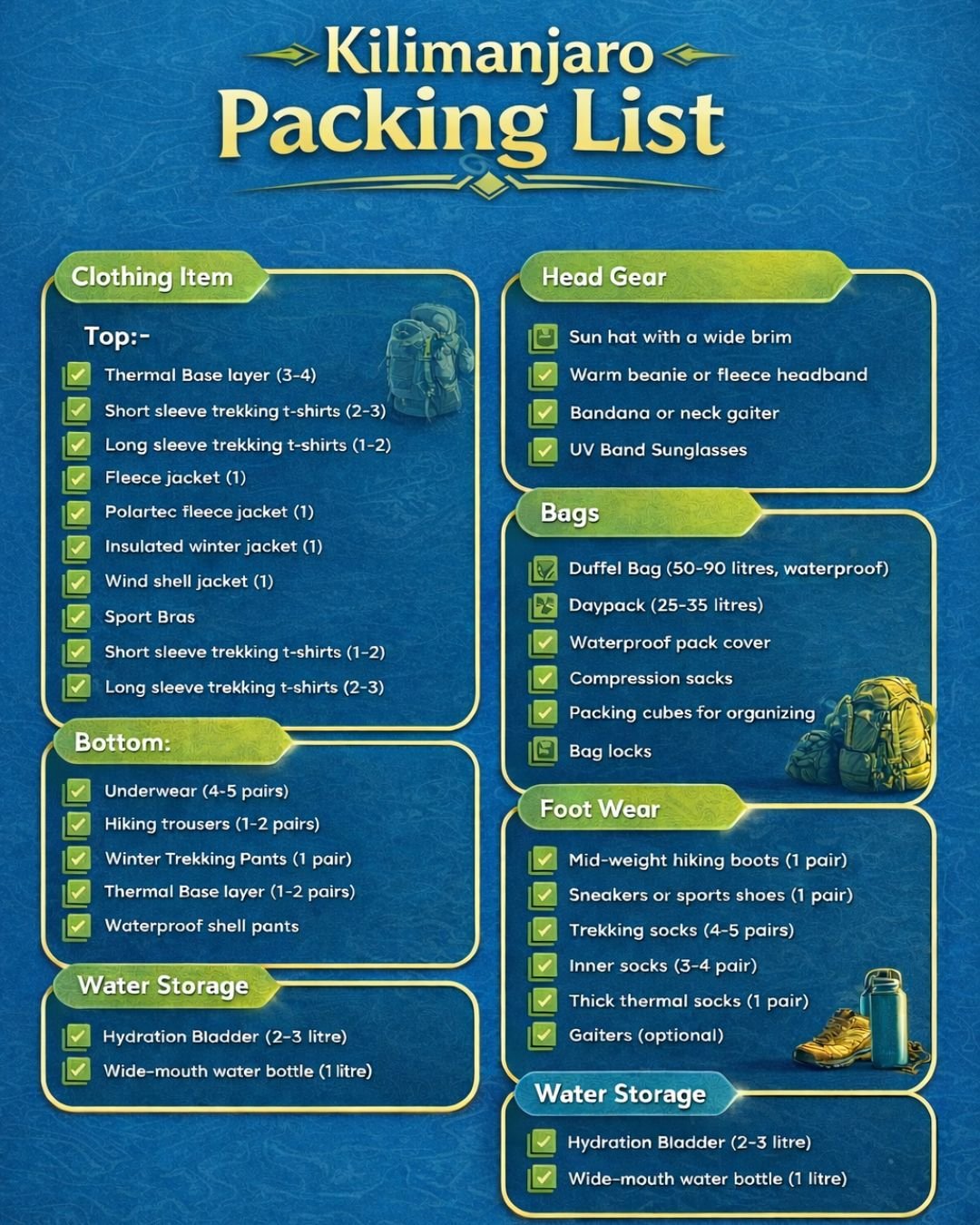
Everything You Need to Prepare
Select each item as you pack it. Filter by category and track your progress as you get ready for your Kilimanjaro adventure.
Clothing & Layering
Stay prepared for changing weather
Footwear & Foot Care
Comfort for long trekking days
Trekking Gear & Equipment
Carry essentials and camp equipment
Personal Care, Health & Documents
Keep personal essentials accessible
Pack for the Summit, Not Just the Start
Kilimanjaro's conditions change as you gain altitude. A thoughtful packing plan helps you adapt, keep essential items close and avoid unnecessary weight during your trek.
- Wear your hiking boots on training walks before travelling to Tanzania.
- Keep rain protection, drinking water, snacks and extra layers in your daypack.
- Pack warm summit-night clothing where it stays dry and easy to reach.
- Separate clean and wet clothing using suitable packing bags.
- Confirm your operator's duffel weight limit and what equipment is provided or available to rent.
- Review your final gear list with your guide during the pre-climb briefing.
Kilimanjaro Packing List FAQs
What clothes should I pack for Kilimanjaro?
Bring moisture-wicking base layers, trekking clothes, warm insulating layers, a waterproof outer shell, and warm gloves and headwear for summit night. The exact combination depends on the forecast, your route and your operator's guidance.
Do I need to buy all the trekking equipment?
Not necessarily. Some equipment may be available to rent in Moshi. Ask your operator what is supplied, what can be rented and what you should bring personally before buying additional gear.
What should I carry in my daypack?
Keep items you may need while walking accessible, including water, rain protection, extra layers, snacks, sun protection and personal essentials. Your guide can advise you on the final daily setup.
Is this checklist the same for every Kilimanjaro route?
The core gear is similar across routes, but the route, duration, season and accommodation arrangements can affect your final list. Confirm the details with your climbing operator before departure.
Ready to Prepare for Kilimanjaro?
Get guidance on your route, essential equipment and pre-climb preparation from the Abdi Expeditions team.
This checklist is a preparation guide, not a substitute for your operator's final gear list or professional medical advice. Confirm equipment requirements, rental availability and items included in your climb package before travelling.
Train for the Climb.
Prepare for the
Summit.
Preparing for Mount Kilimanjaro starts long before you reach Tanzania. A consistent training routine can help you build endurance, strengthen your legs and become more comfortable with long days on the trail.
- ✓Build walking endurance and confidence on uneven terrain
- ✓Develop leg strength, balance and general fitness
- ✓Follow a practical eight-week preparation framework
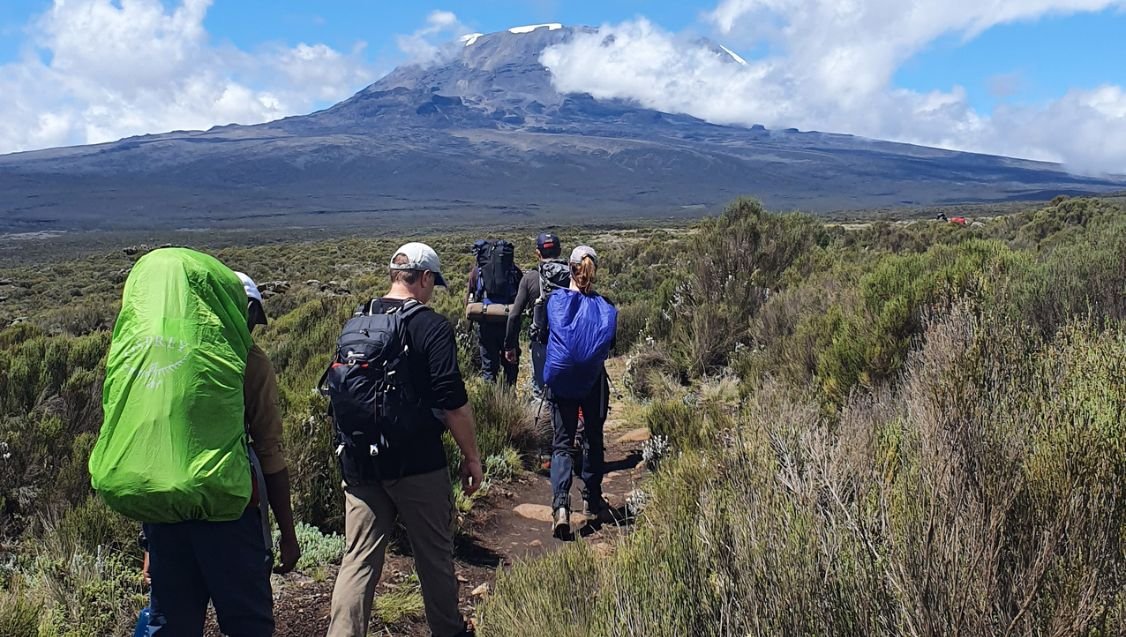
Four Areas to Focus On Before Kilimanjaro
You do not need to be an elite athlete to prepare for a trek. Focus on steady progress, suitable training and recovery, adjusting your plan to your current fitness level.
Walking & Hiking
Take regular walks and gradually add longer hikes. Practise on varied terrain and, when appropriate, gentle hills or stairs. Increase distance progressively rather than suddenly.
Cardiovascular Fitness
Walking briskly, cycling, swimming or using an elliptical machine can help develop aerobic endurance. Start at a manageable pace and build duration over time.
Leg & Core Strength
Suitable exercises may include step-ups, squats, calf raises and core stability work. Use controlled movements and choose a level appropriate for your experience.
Balance & Recovery
Practise balance, mobility and gentle stretching. Give yourself recovery time, sleep well and pay attention to discomfort or unusual fatigue.
An Eight-Week Kilimanjaro Training Framework
Use this sample timeline to organise your preparation. Adjust the pace and workload to your starting fitness, available time, health and experience.
Build a Routine
Begin with comfortable walks, gentle cardio and light strength exercises. Focus on consistency, proper footwear and learning how your body responds.
Increase Endurance
Gradually extend walking time and include suitable hills or stairs. Continue strength work and schedule rest days between demanding sessions.
Practise Longer Hikes
If comfortable, add longer hikes on consecutive days and practise with your daypack. Use this stage to test socks, boots and clothing layers.
Refine & Recover
Maintain manageable activity, review your equipment and prioritise recovery. Avoid sudden increases in training or exhausting workouts immediately before departure.
Important: This is a general example, not a personalised training prescription. If you are starting from a low fitness level, have an injury or have health concerns, seek appropriate professional guidance and allow more time if needed.
Fitness Is Only One Part of Summit Preparation
Mount Kilimanjaro reaches 5,895 metres (19,341 feet). At high altitude, the body receives less oxygen, and even fit trekkers can experience altitude-related illness.
A sensible climbing itinerary, a gradual ascent, following your guide's instructions and reporting symptoms promptly are essential parts of a responsible climb.
Prepare for the Mountain, Not Just the Distance
- ✓ Choose a suitable itinerary. Allow enough time for gradual ascent and acclimatization.
- ✓ Follow “Pole Pole”. Walk slowly and steadily as directed by your mountain guide.
- ✓ Communicate honestly. Report headache, nausea, dizziness, unusual fatigue or other symptoms to your guide promptly.
- ✓ Understand your safety plan. Discuss altitude procedures, evacuation arrangements and insurance coverage with your operator.
Health and safety: Physical training cannot guarantee successful acclimatization or prevent altitude illness. Do not ignore symptoms or continue ascending when unwell. Severe symptoms, including confusion, difficulty walking straight or breathlessness at rest, require urgent assessment and immediate action under your guide's emergency plan. Seek medical advice before your climb if you have relevant health concerns.
Kilimanjaro Training FAQs
Practical answers to common questions before your trek.
How fit do I need to be to climb Kilimanjaro?
You should prepare for repeated days of walking, uneven terrain and a demanding summit night. General endurance, comfortable hiking ability and suitable preparation are helpful, but fitness alone does not determine how your body responds to altitude.
How many weeks should I train before the climb?
Eight weeks can provide a useful framework for someone who already has a reasonable activity base. If you are new to exercise or need to build endurance gradually, starting earlier may be more appropriate.
Do I need to run to prepare for Kilimanjaro?
No. Running is not essential. Walking, hiking, suitable cardio activities and strength training can all contribute to preparation. Choose activities that fit your ability and build up progressively.
Will being very fit prevent altitude sickness?
No. Altitude illness can affect people regardless of their fitness. A gradual itinerary, acclimatization, symptom awareness and following your guide's safety instructions remain important.
Should I train with a backpack?
Practising with the daypack you plan to use can help you check its fit and become comfortable carrying your essentials. Begin with a light load and increase it only as appropriate. Confirm your operator's porter and baggage arrangements.
Which Kilimanjaro route should I choose?
Route choice depends on your available time, budget, preferences and the itinerary's acclimatization opportunities. Discuss your experience and expectations with your operator rather than choosing a route based on fitness alone.
Your Kilimanjaro Adventure Starts with Preparation
Explore climbing routes and get help choosing an itinerary that suits your goals, schedule and experience.
Training suggestions are general educational information and are not individual medical advice. Adjust exercise to your ability and seek professional guidance when appropriate. Your climbing guide's instructions and your operator's safety procedures take priority on the mountain.
Climb Kilimanjaro
With Confidence.
Prepare Wisely.
Reaching the summit of Mount Kilimanjaro is an extraordinary challenge. Responsible preparation, a suitable itinerary, professional guidance and awareness of altitude-related illness are essential parts of the journey.
- ✓Understand altitude and the importance of gradual acclimatization
- ✓Follow your guide's instructions and walk at a controlled pace
- ✓Know when to report symptoms and follow the safety plan

Six Essential Kilimanjaro Safety Principles
Preparation is more than physical fitness. Understand the conditions, communicate with your mountain crew and take symptoms seriously throughout your climb.
1. Acclimatize Gradually
Choose an itinerary that allows time for your body to adapt to increasing altitude. More climbing days can provide additional acclimatization opportunities, but no itinerary eliminates all risk.
2. Walk Pole Pole
Pole Pole means slowly, slowly in Swahili. Maintain a controlled walking pace, take breaks when needed and follow your guide's instructions instead of racing ahead.
3. Report Symptoms Early
Headache, nausea, dizziness and unusual fatigue can be signs of altitude illness. Tell your guide promptly rather than hiding symptoms or pushing through them.
4. Follow Your Guide
Listen to briefings, follow the group's safety procedures and communicate honestly about how you feel. Decisions about continuing the ascent must prioritise safety.
5. Prepare Your Equipment
Carry suitable layers, waterproof protection, comfortable boots, drinking water and essential personal supplies. Confirm the equipment list with your operator before departure.
6. Respect Changing Conditions
Weather, cold, fatigue and altitude can make the mountain demanding. Be prepared for plans to change if your guide determines that conditions or symptoms make continuing unsafe.
Your Body Needs Time to Adapt
At high altitude, the air contains less oxygen available with each breath. As you ascend, your body needs time to adjust, and people respond differently to the same elevation.
Being fit does not guarantee protection from altitude illness. The safest approach combines a suitable itinerary, careful monitoring and prompt action when symptoms develop.
What Good Acclimatization Preparation Involves
Review the itinerary's elevation profile and acclimatization opportunities before booking.
Do not ascend faster or higher than your guide's approved plan allows.
Report symptoms immediately, including symptoms that appear mild at first.
When altitude illness is suspected, stopping ascent and descending may be necessary.
Recognise serious warning signs. Confusion, difficulty walking straight, severe weakness or breathlessness at rest can indicate a life-threatening altitude emergency. Alert your guide immediately and follow the emergency plan, including urgent descent and medical assessment as directed. Do not continue ascending while unwell.
Your Pre-Climb Safety Checklist
Review these essentials with your climbing operator before travelling to Tanzania.
Kilimanjaro Safety FAQs
Understand the most important safety considerations before planning your summit attempt.
Can anyone get altitude sickness on Kilimanjaro?
Yes. Altitude illness can affect climbers regardless of age, experience or fitness. A gradual ascent can improve acclimatization opportunities but cannot guarantee that altitude illness will not occur.
Does being physically fit prevent altitude sickness?
No. Fitness can help with the physical demands of trekking, but it does not reliably predict how someone will respond to altitude. Gradual ascent and symptom awareness remain essential.
What does Pole Pole mean?
Pole Pole means slowly, slowly in Swahili. On Kilimanjaro, it refers to maintaining a slow, controlled pace that supports a steady ascent and helps manage exertion.
What happens if a climber develops altitude symptoms?
The climber should report symptoms to the guide immediately. The guide and support team should assess the situation and follow the appropriate safety procedures. Suspected serious altitude illness may require immediate descent and urgent medical assessment.
Which Kilimanjaro route is safest?
No route is completely risk-free. Route choice should consider duration, elevation profile, acclimatization opportunities, current conditions and the climber's needs. Discuss the full itinerary with your operator rather than relying on route names alone.
What insurance should I have for Kilimanjaro?
Check that your policy explicitly covers trekking to at least 5,895 metres, emergency medical treatment and evacuation from high altitude. Review exclusions, eligibility conditions and coverage limits before purchasing.
Plan Your Kilimanjaro Climb with Confidence
Explore your route options and discuss your itinerary, preparation and safety questions with the Kilimanjaro Summit team.
This page provides general educational information and does not replace professional medical advice, your guide's instructions or your operator's emergency procedures. Always follow current guidance from your mountain team and qualified healthcare professionals.
The Roof of Africa
Is Calling.
Will You Answer?
Your journey to Uhuru Peak begins with the right plan. Discover breathtaking landscapes, experience the spirit of Tanzania and take the first step towards your Mount Kilimanjaro summit adventure with Kilimanjaro Summit.
- Choose your ideal route
- Get a personalised climb proposal
- Plan with an experienced mountain team