
Climb Mount Kilimanjaro. Reach the Roof of Africa.
At 5,895 metres (19,341 feet), Mount Kilimanjaro is Africa's highest mountain and one of the world's most iconic trekking destinations. Journey through five distinct ecological zones toward the legendary Uhuru Peak.
More Than a Mountain. A Journey of a Lifetime.
Rising dramatically from the plains of northern Tanzania, Mount Kilimanjaro is a journey unlike any other. From lush rainforests to high-altitude alpine desert and the icy landscape surrounding Uhuru Peak, every stage of the climb reveals a completely different environment.
Kilimanjaro does not require technical mountaineering skills on its standard trekking routes. Success depends on preparation, proper acclimatization, a sensible pace, and the support of an experienced mountain crew.
At Kilimanjaro Summit, we combine local knowledge, carefully planned itineraries, and professional guiding to help you climb safely, comfortably, and responsibly.
Why Climb With Us →Big Mountains.
Bigger Stories.
Five Ecological Zones One Extraordinary Mountain.
Climbing Mount Kilimanjaro is like travelling from the tropics to the Arctic. As you ascend Africa's highest mountain, the landscapes, vegetation and climate transform through five remarkable ecological zones.
Cultivation Zone
Explore fertile farmland, coffee plantations and banana groves where local communities live on Kilimanjaro's lower slopes.
Rainforest Zone
Walk beneath towering trees, moss-covered branches and lush vegetation in a forest alive with birds and wildlife.
Heath & Moorland
Discover open highlands, giant groundsels, striking lobelias and unique alpine plants beneath expansive mountain skies.
Alpine Desert
Cross a dramatic rocky landscape with sparse vegetation, intense sunlight and sharp changes in temperature.
Arctic Summit Zone
Enter a world of freezing temperatures, thin air, snow and ice as you approach Uhuru Peak, the roof of Africa.
Every Zone. A New Wonder.
Experience the changing landscapes of Kilimanjaro with a professional mountain crew.
Altitude ranges are approximate. Ecological transitions can vary depending on the climbing route, terrain and local conditions.
Three Peaks. One Iconic Mountain.
Mount Kilimanjaro is formed by three volcanic cones, each with its own geological history, distinctive landscape and character.
Kibo
The highest and central volcanic cone. Uhuru Peak, Africa's highest point, stands on Kibo's crater rim and is the ultimate destination for summit trekkers.
Mawenzi
A striking volcanic cone with steep ridges and dramatic rock pinnacles. Its rugged terrain makes it a challenging mountaineering destination.
Shira
The oldest of Kilimanjaro's three volcanic cones. Shira collapsed long ago, leaving a broad plateau and a remarkable landscape on the mountain's west.
Discover the Mountain Beyond the Summit.
Explore Kilimanjaro's landscapes, climbing routes and unforgettable journey to Uhuru Peak.
Elevations are approximate where indicated. Shira's elevation refers to the commonly cited height of the ancient Shira cone.
Why Kilimanjaro?
More than a mountain. A journey through extraordinary landscapes, personal achievement and unforgettable adventure.
Africa's Highest Mountain
Stand on Uhuru Peak at 5,895 metres above sea level, the highest point in Africa.
No Technical Climbing Required
Reach the summit on established trekking routes without requiring technical climbing skills.
Five Ecological Zones
Journey through rainforest, moorland, alpine desert and the remarkable summit environment.
A Truly Unique Landscape
Discover volcanic formations, dramatic valleys, alpine terrain and seasonal ice and snow.
A Personal Challenge
Test your determination, embrace the journey and celebrate an extraordinary achievement.
Local Mountain Expertise
Experience the mountain with knowledgeable Tanzanian guides and a dedicated support crew.
The Roof of Africa Is Calling.
Choose Your Kilimanjaro Route
Every route offers a different adventure. Discover breathtaking landscapes, choose your preferred trekking duration, and find the journey that suits your goals on the Roof of Africa.
 01
SCENIC ADVENTURE
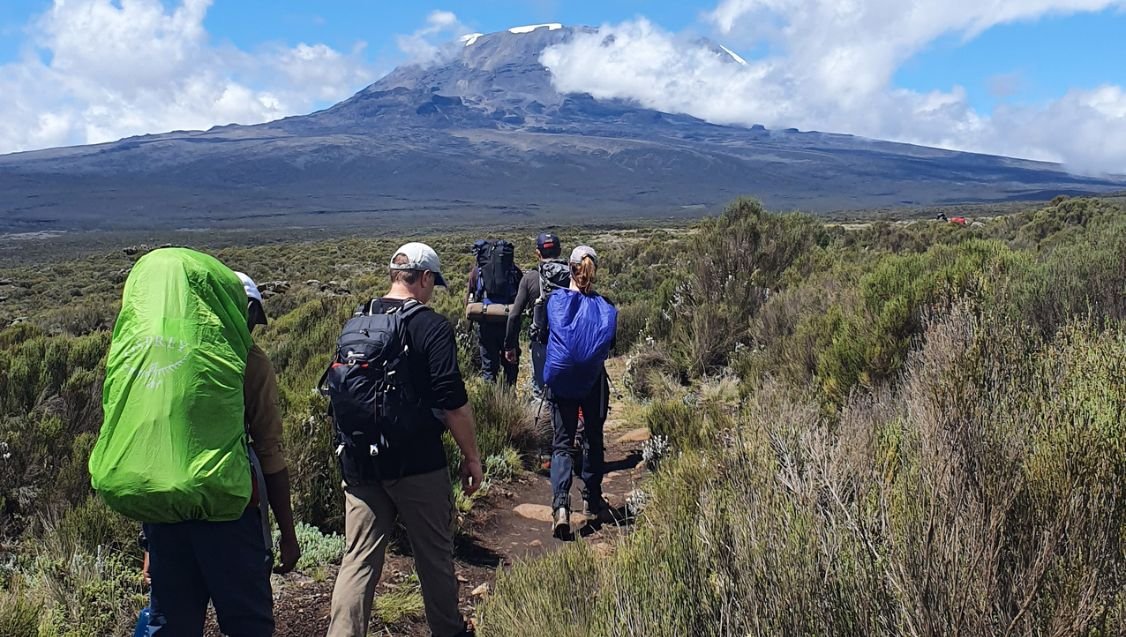
Lemosho Route
A spectacular approach through lush rainforest and sweeping Shira Plateau landscapes, with a gradual itinerary designed to support acclimatization.
Explore Lemosho ↗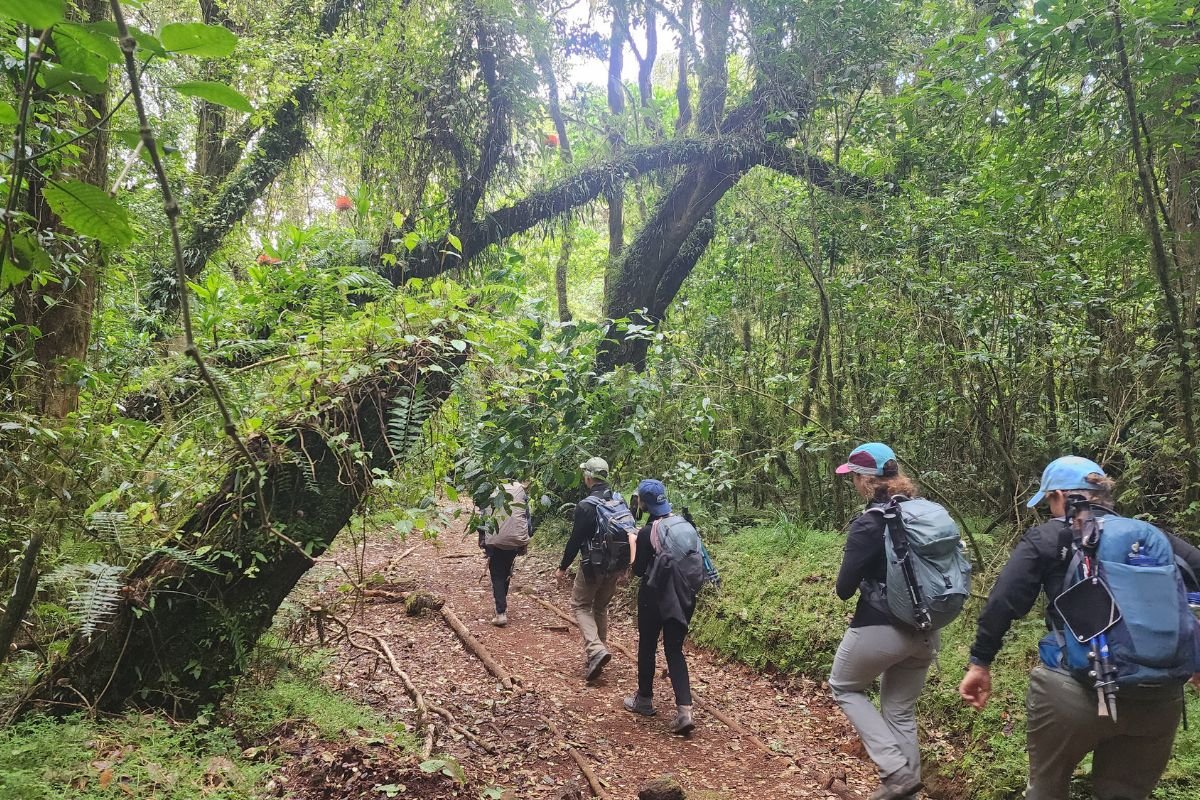 02
MOST POPULAR
Machame Route
Known for dramatic scenery, varied terrain and the iconic Barranco Wall, Machame is a rewarding choice for adventurous trekkers.
Explore Machame ↗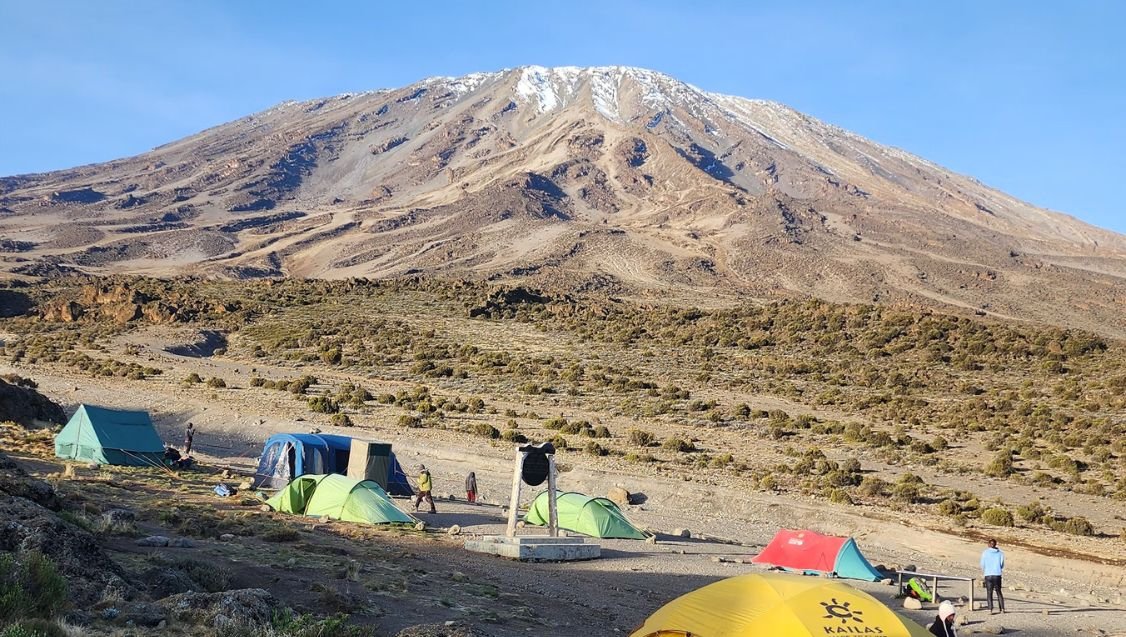 03
EXTRA ACCLIMATIZATION
Northern Circuit
Explore remote northern slopes, wide-open mountain views and a longer trekking itinerary that allows more time for acclimatization.
Explore Northern Circuit ↗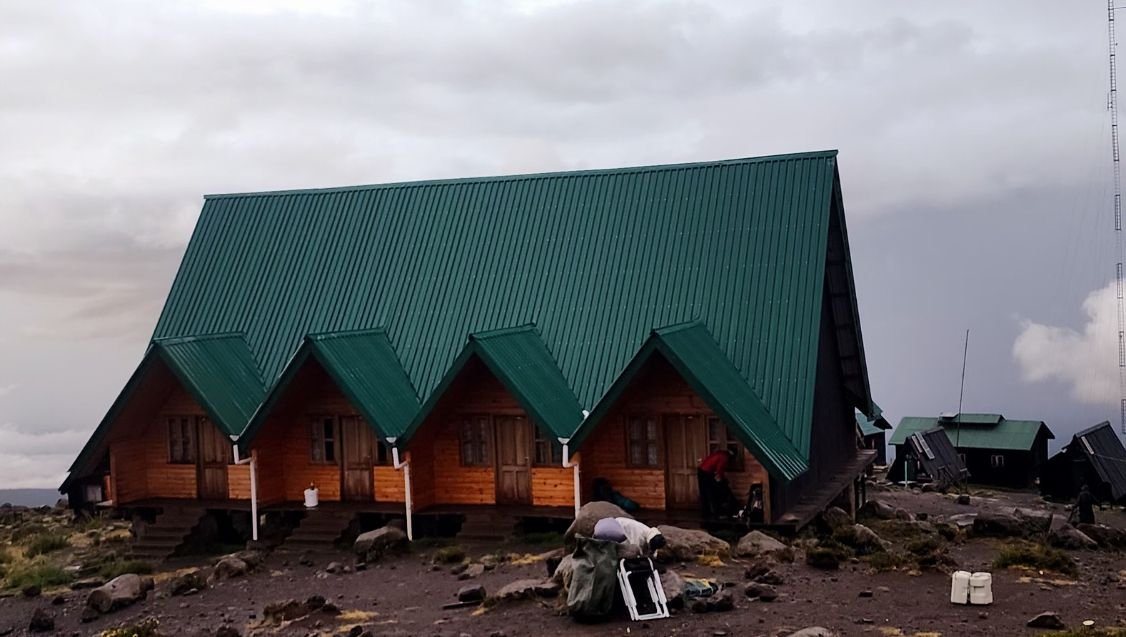 04
MOUNTAIN HUTS
Marangu Route
Follow a classic trail through rainforest and alpine landscapes, with overnight stays in mountain huts instead of camping tents.
Explore Marangu ↗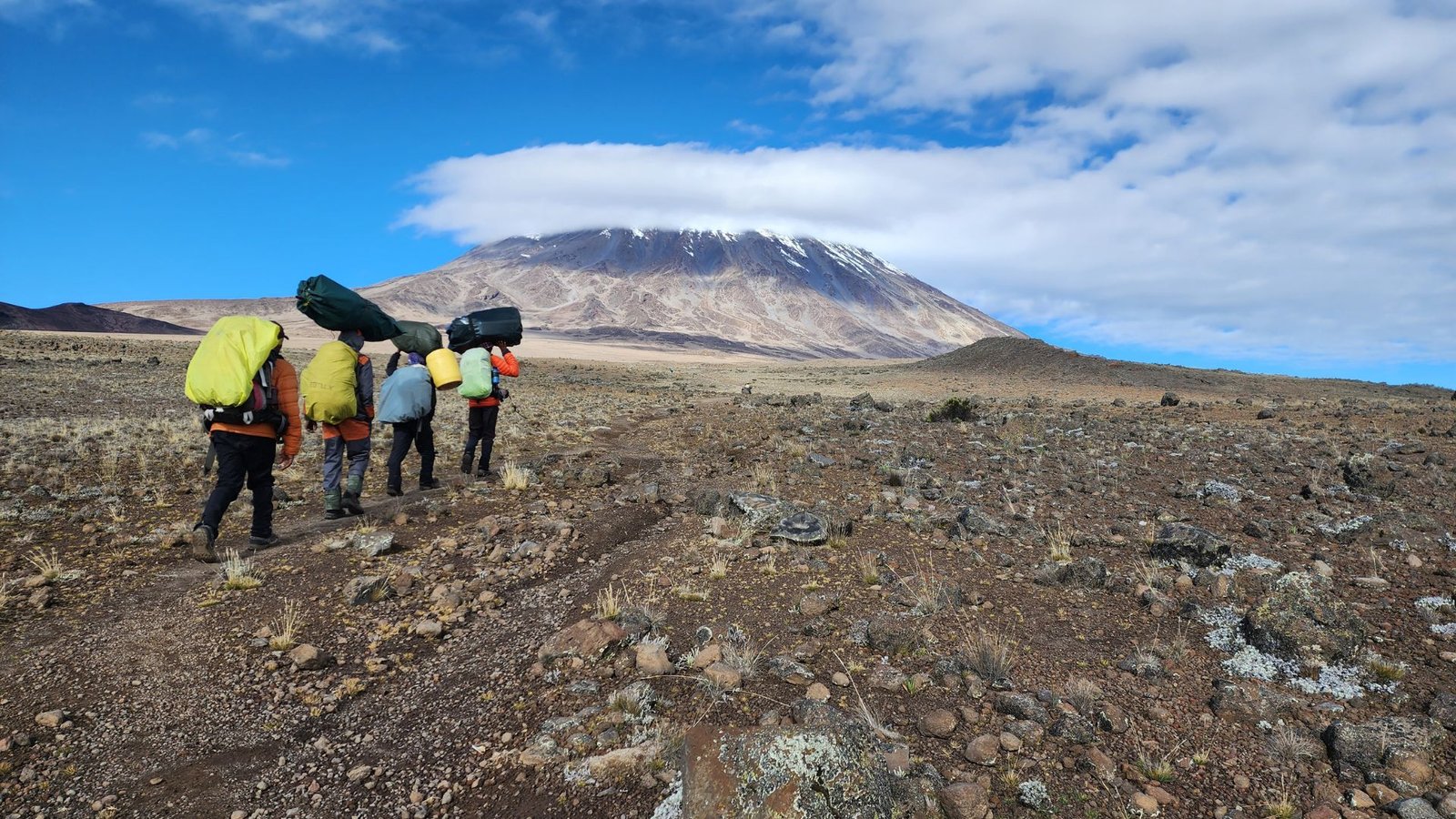 05
NORTHERN APPROACH
Rongai Route
Approach Kilimanjaro from the north on a quieter trail, known for its wilderness atmosphere and different views of the mountain.
Explore Rongai ↗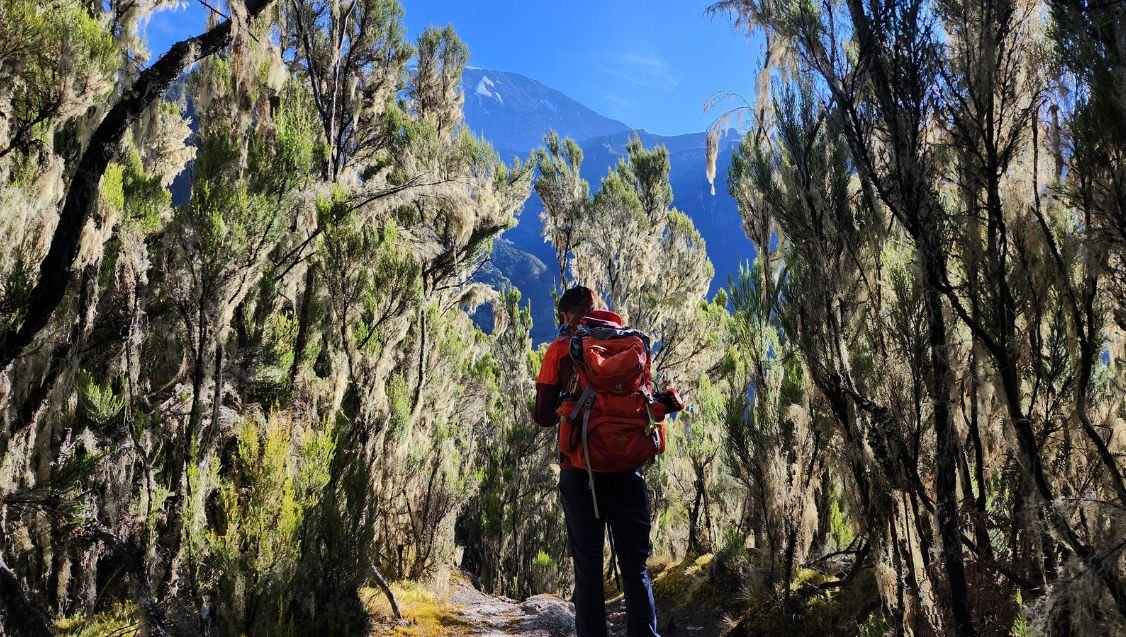 06
STEEP & CHALLENGING
Umbwe Route
A steep, direct and demanding ascent through forested slopes, best suited to trekkers prepared for a more strenuous mountain challenge.
Explore Umbwe ↗Not sure which route is right for you?
Tell us your travel dates, trekking experience and goals. Our local team can help you choose a suitable itinerary.
THE KILIMANJARO EXPERIENCE
The Journey to Uhuru Peak
From the Forest to the Roof of Africa
The Lower Slopes
Begin your adventure surrounded by tropical vegetation and lush forest.
Into the Highlands
The forest gradually disappears as you enter the heath and moorland zone.
Above 4,000 Metres
Explore the alpine desert, where volcanic landscapes and dramatic views dominate.
Summit Night
Begin the final ascent toward Stella Point and the summit of Kilimanjaro.
Uhuru Peak — 5,895 m
Stand at the highest point in Africa.Celebrate your extraordinary achievement at the Roof of Africa.
Summit Night: The Final Ascent
Summit day is the most demanding part of the Kilimanjaro journey. Climbers typically begin their ascent around midnight, aiming to reach the crater rim around sunrise before continuing toward Uhuru Peak.
Summit success depends on acclimatization, weather, physical condition and individual response to altitude. Our guides monitor climbers throughout the trek and adjust the pace and itinerary when necessary.
Is Kilimanjaro Difficult?
Kilimanjaro is achievable for many reasonably fit trekkers, but the altitude should never be underestimated. Good preparation, gradual acclimatization and a steady pace are essential for a safer mountain experience.
Physical Preparation
Build endurance before your trek with regular hiking, walking and cardiovascular exercise.
Acclimatization
Choose an itinerary that allows enough time for your body to adapt to altitude.
Pole Pole
Go slowly. This Swahili phrase describes the steady pace that helps manage effort on the mountain.
Your Safety Comes First
Altitude affects everyone differently. Follow your guide's instructions, report symptoms promptly and descend when medically necessary.
When Should You Climb Kilimanjaro?
Kilimanjaro can be climbed throughout the year, but weather conditions vary by season. Choosing the right time can help you prepare for the conditions you may encounter.
January – March
Generally drier and colder, with possible snow around the summit.
June – October
A popular trekking season with generally drier conditions.
November – December
Short rains are possible, although trekking remains available.
March – May
The main rainy season, bringing wetter trails and cloudier conditions.
Our Recommendation
January–March and June–October are generally preferred for drier trekking conditions. Weather varies, so plan with an experienced local guide.
Your Kilimanjaro
Story Starts Here.
5,895 metres. Five ecological zones. One unforgettable journey.
Discover Africa's highest mountain with experienced Tanzanian guides who know every step of the journey.