
Abdi Expeditions · Kilimanjaro, Tanzania
Rongai RouteKilimanjaro Climb
6 or 7 Days to the Roof of Africa
Begin on the northern slopes, camp beneath Mawenzi and make your summit attempt at Uhuru Peak. Choose seven days for more acclimatization time, or discuss our six-day option with a local guide.
The northern approach
Open trails. Mawenzi views. A different side of the mountain.
The Rongai Route approaches Kilimanjaro from the north, close to the Kenyan border, and descends on the Marangu trail to the southeast.
The first days feel spacious, with forest giving way to open moorland and wide views across the northern plains. Higher up, the trail turns towards Mawenzi before crossing the exposed Saddle to Kibo. Camping at Mawenzi Tarn is a memorable part of this journey: steep rock towers rise above a landscape that feels far removed from the forest below.
This side of Kilimanjaro is generally drier than the southern slopes and often quieter on the approach. Rain and snow remain possible, and Rongai joins other climbers around Kibo and the summit trail. The gradual start does not make the climb easy: altitude and the long summit night are serious challenges on every route.
With Abdi Expeditions, your climb includes a local mountain team, daily health checks, mountain meals, camping equipment and the support outlined below. We recommend seven days for most visitors choosing between these two programs.
Why choose Rongai?
A route with its own character
A quieter beginning
The northern approach usually has fewer climbers than the busiest southern trails. Enjoy space on the early trekking days before joining the summit approach.
Two sides of Kilimanjaro
Climb from the north and descend through Marangu’s rainforest. The changing scenery gives the journey a different feel on the way down.
Time beneath Mawenzi
Walk towards the distinctive spires of Mawenzi and camp at the tarn before crossing the high Saddle towards Kibo.
Choose your pace
Rongai Route: 7 days or 6 days?
The extra day spreads the ascent over more stages. Fitness helps you walk, but it does not remove the need to acclimatize.
| Trip detail | 7 days · Recommended | 6 days · Shorter option |
|---|---|---|
| Mountain days | 7 | 6 |
| Mountain nights | 6 | 5 |
| Second Cave | Overnight camp | Passed en route to Kikelelwa |
| Total with arrival and departure | 9 days / 8 nights | 8 days / 7 nights |
| Price | From $1,750 per person with 8+ climbers | Request a tailored quote |
From arrival to the final descent
Your day-by-day mountain journey
Explore both itineraries below. Open each day for the full walking plan, overnight camp and practical notes.
Arrival day · Welcome to Tanzania
Meet our transfer team at Kilimanjaro International Airport and travel to your hotel in Moshi. Your guide will arrange a pre-climb briefing and equipment check. Arrive in time for the briefing, or plan an additional night if your flight arrives late. The arrival hotel night is included on a bed-and-breakfast basis.
7-day Rongai Route itinerary
A separate overnight at Second Cave spreads the northern approach over an additional day before Kikelelwa and Mawenzi Tarn.
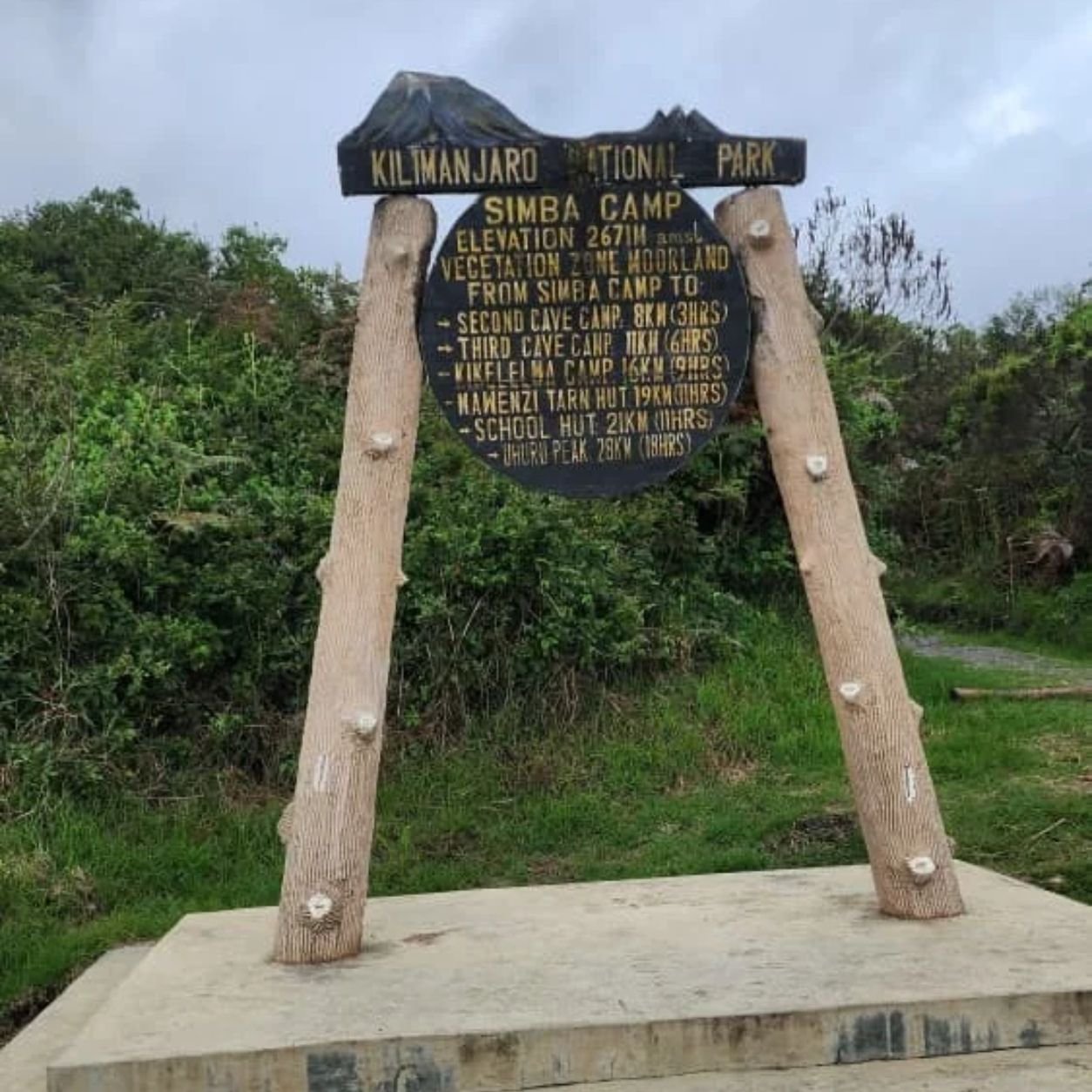
Rongai Gate to Simba Camp
After breakfast in Moshi, drive around Kilimanjaro to the northern trailhead near the Kenyan border.
Read full day details
After breakfast in Moshi, drive around Kilimanjaro to the northern trailhead near the Kenyan border. Complete registration and meet the mountain crew before beginning the walk through farmland and montane forest. The trail climbs steadily to Simba Camp, also called First Cave Camp.
Walk at a comfortable pace from the first hour. Your guide will introduce the daily routine and check how you feel before dinner.
Overnight: Simba Camp · Tented camping
Meals: Breakfast, lunch and dinner.
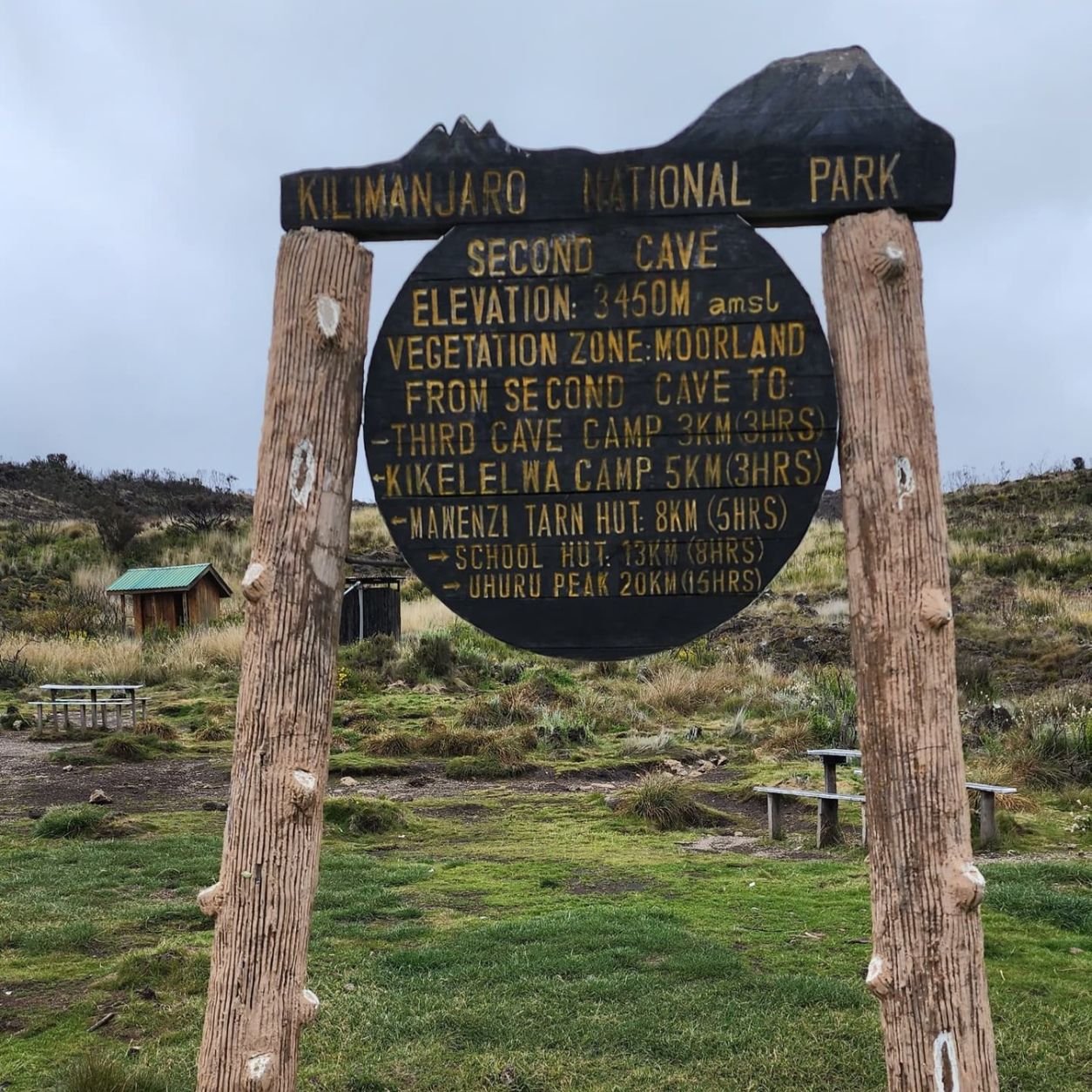
Simba Camp to Second Cave
Continue steadily through open moorland, leaving the forest further below.
Read full day details
Continue steadily through open moorland, leaving the forest further below. In clear weather, Kibo and the eastern slopes of the mountain come into view as you approach Second Cave. Arrive for lunch and use the afternoon to rest and settle into the mountain routine.
Your guide may lead a gentle afternoon walk, depending on conditions and how the group feels. This itinerary divides the approach to Kikelelwa over two days.
Overnight: Second Cave Camp · Tented camping
Meals: Breakfast, lunch and dinner.
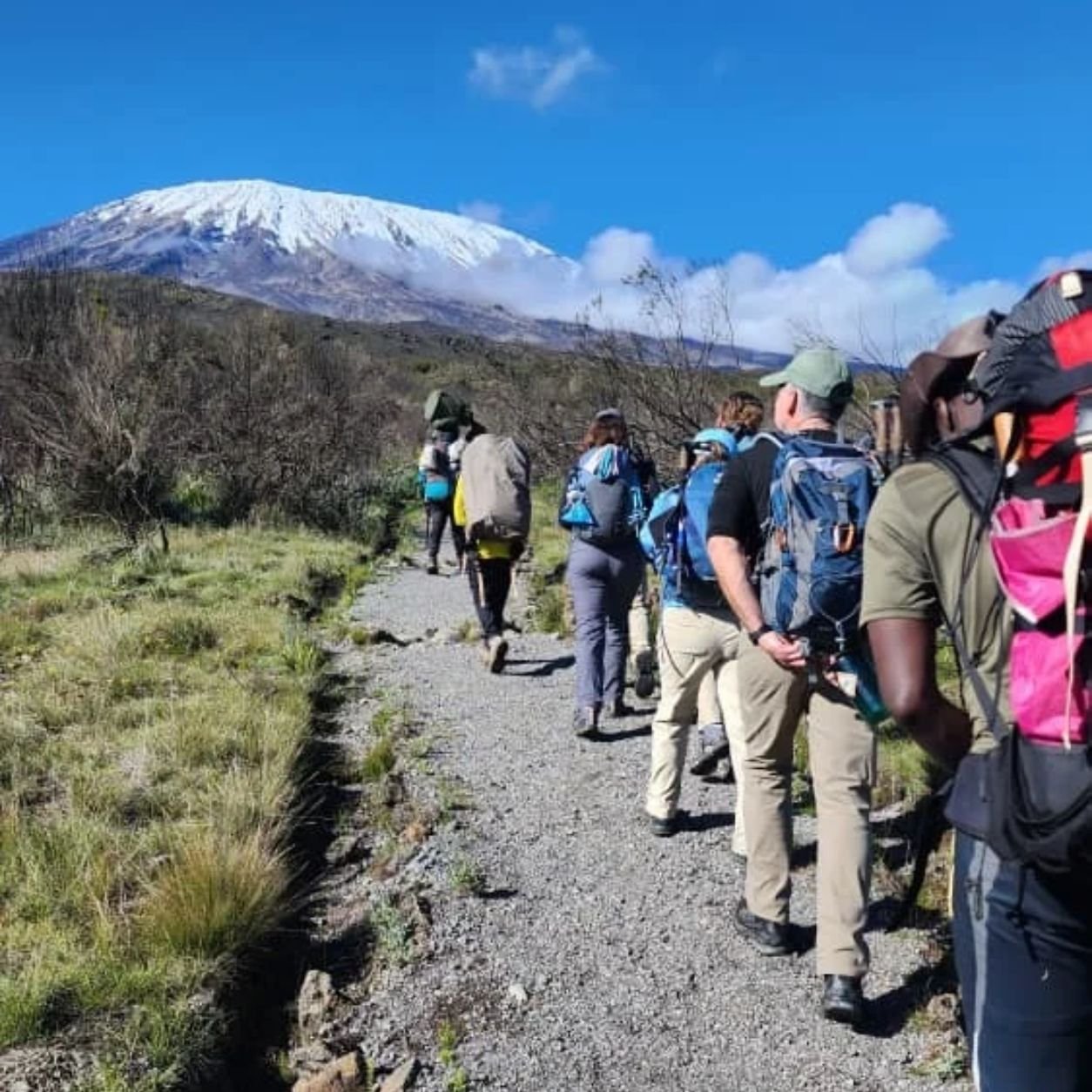
Second Cave to Kikelelwa Camp
Leave the main northern trail and head southeast towards the jagged profile of Mawenzi.
Read full day details
Leave the main northern trail and head southeast towards the jagged profile of Mawenzi. Cross open moorland and small valleys before arriving at Kikelelwa Camp, a sheltered stop below the higher alpine terrain.
The shorter stage gives you time to recover between walking days. Keep a steady pace and use the afternoon for rest and preparation.
Overnight: Kikelelwa Camp · Tented camping
Meals: Breakfast, lunch and dinner.
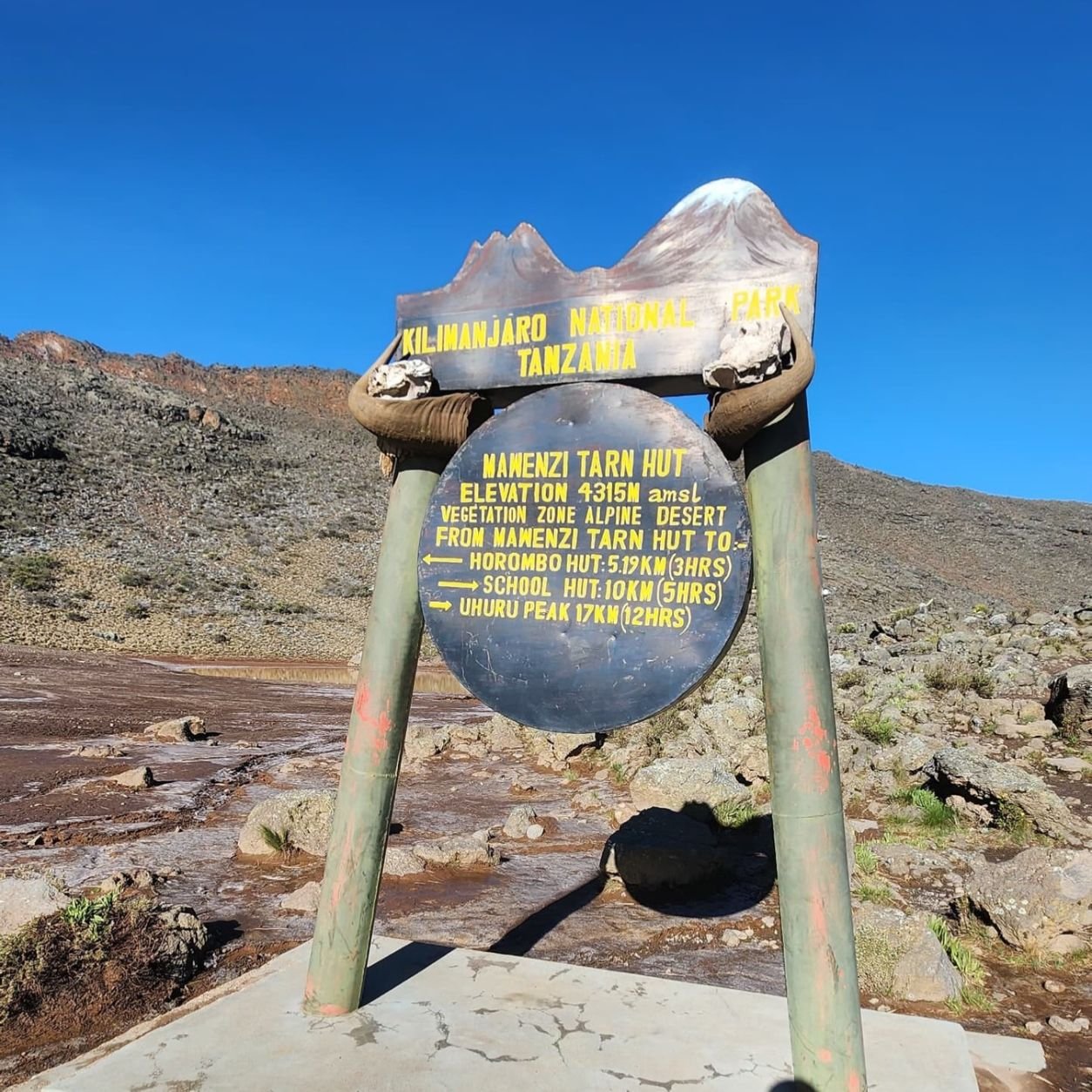
Kikelelwa Camp to Mawenzi Tarn
A shorter but steeper climb brings you above much of the vegetation.
Read full day details
A shorter but steeper climb brings you above much of the vegetation. The landscape opens into rugged alpine terrain beneath the jagged towers of Mawenzi. Arrive at Mawenzi Tarn, settle into camp and enjoy time to rest in this dramatic setting.
The short walking day still brings a significant altitude gain. An easy afternoon walk may be offered if conditions and your wellbeing allow.
Overnight: Mawenzi Tarn · Tented camping
Meals: Breakfast, lunch and dinner.
Mawenzi Tarn to Kibo Camp
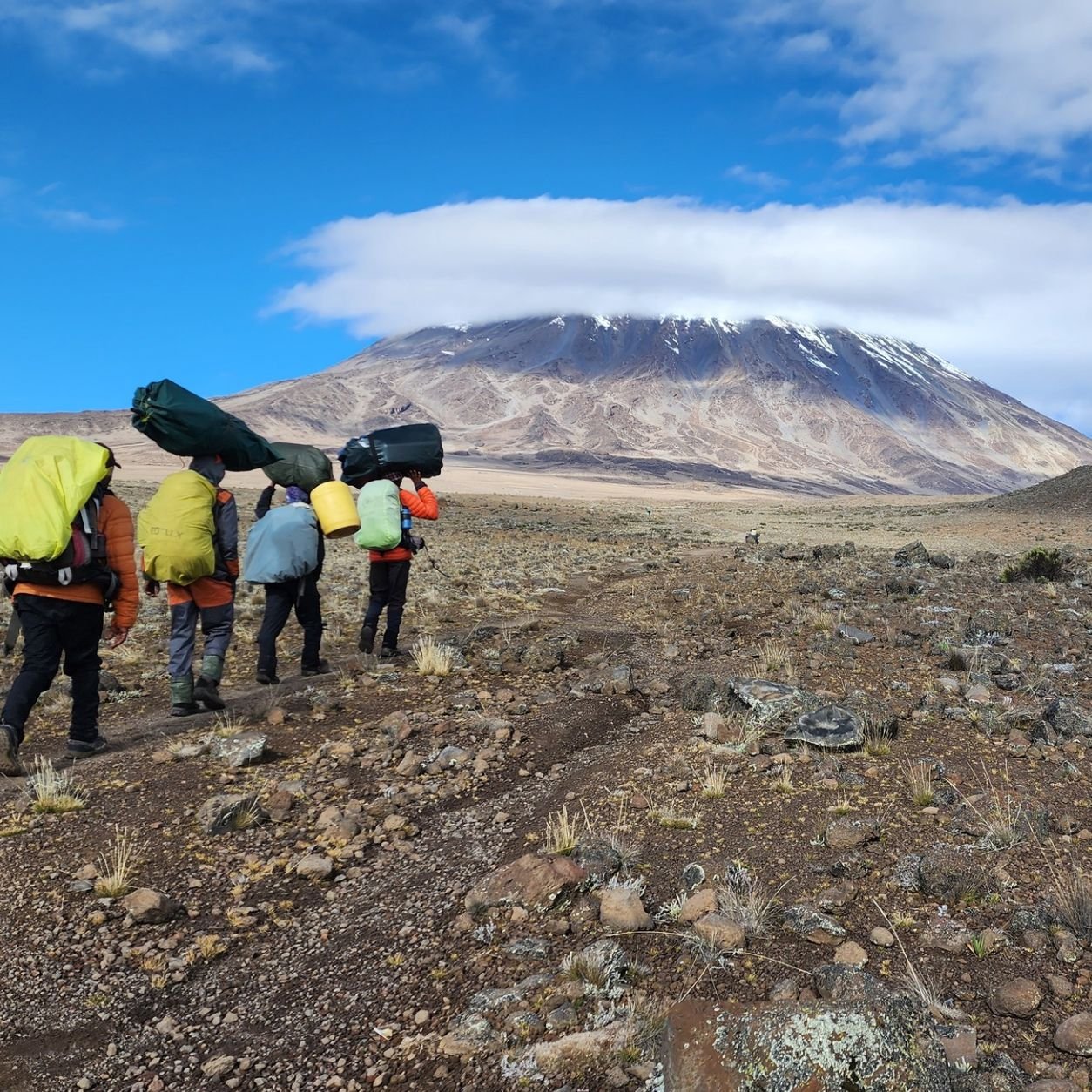
Cross the broad Saddle between Mawenzi and Kibo.
Read full day details
Cross the broad Saddle between Mawenzi and Kibo. The ground is exposed, dry and often windy, with very little vegetation. Reach the camping area near Kibo Hut, eat an early meal and prepare your layers, headtorch and summit snacks before resting.
Your guide gives a summit briefing and confirms the departure time based on conditions and the group’s pace. Keep the afternoon quiet.
Overnight: Kibo Camp · Tented camping
Meals: Breakfast, lunch and dinner.
Kibo Camp to Uhuru Peak, then Horombo
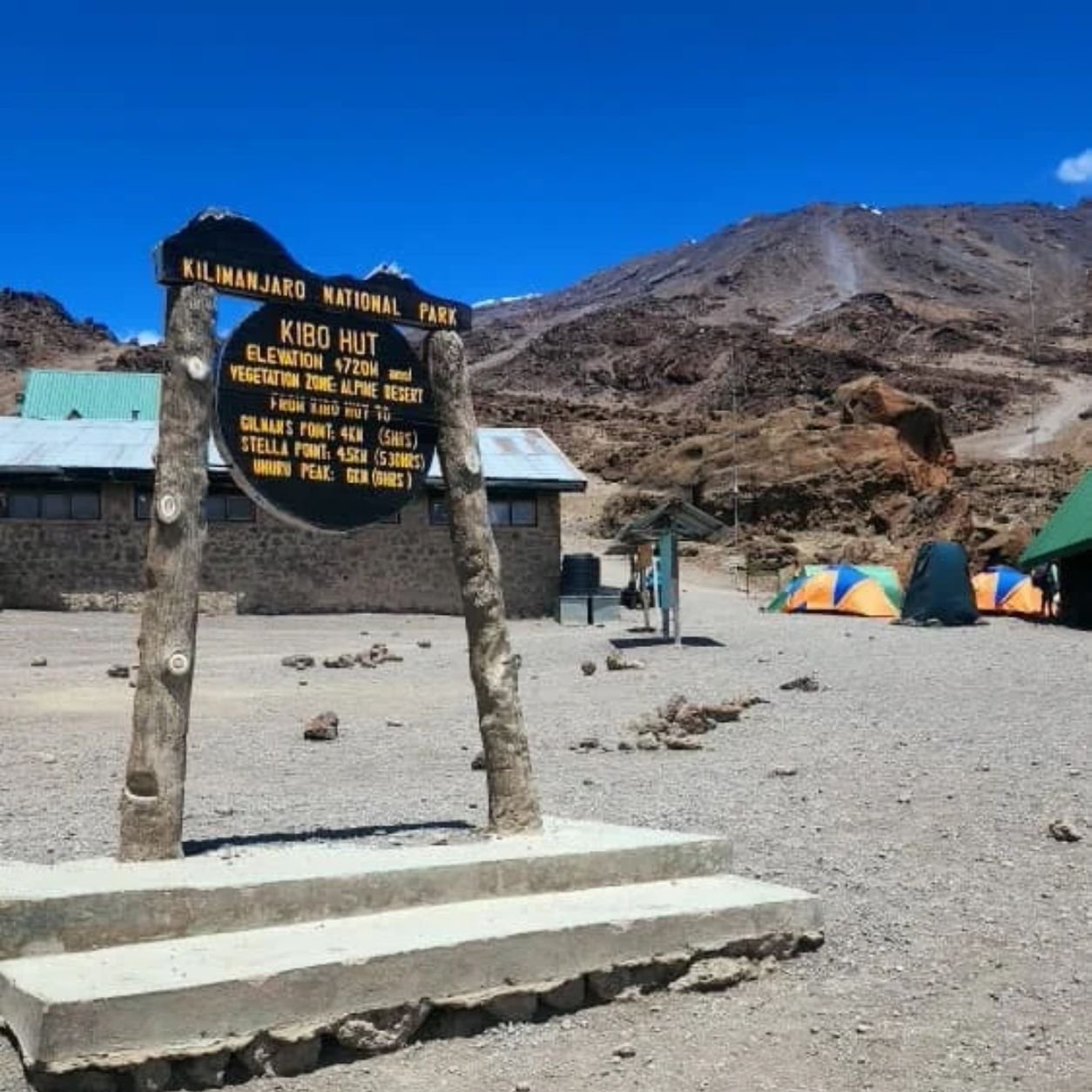
Set out around midnight on the steep, slow ascent towards Gilman’s Point.
Read full day details
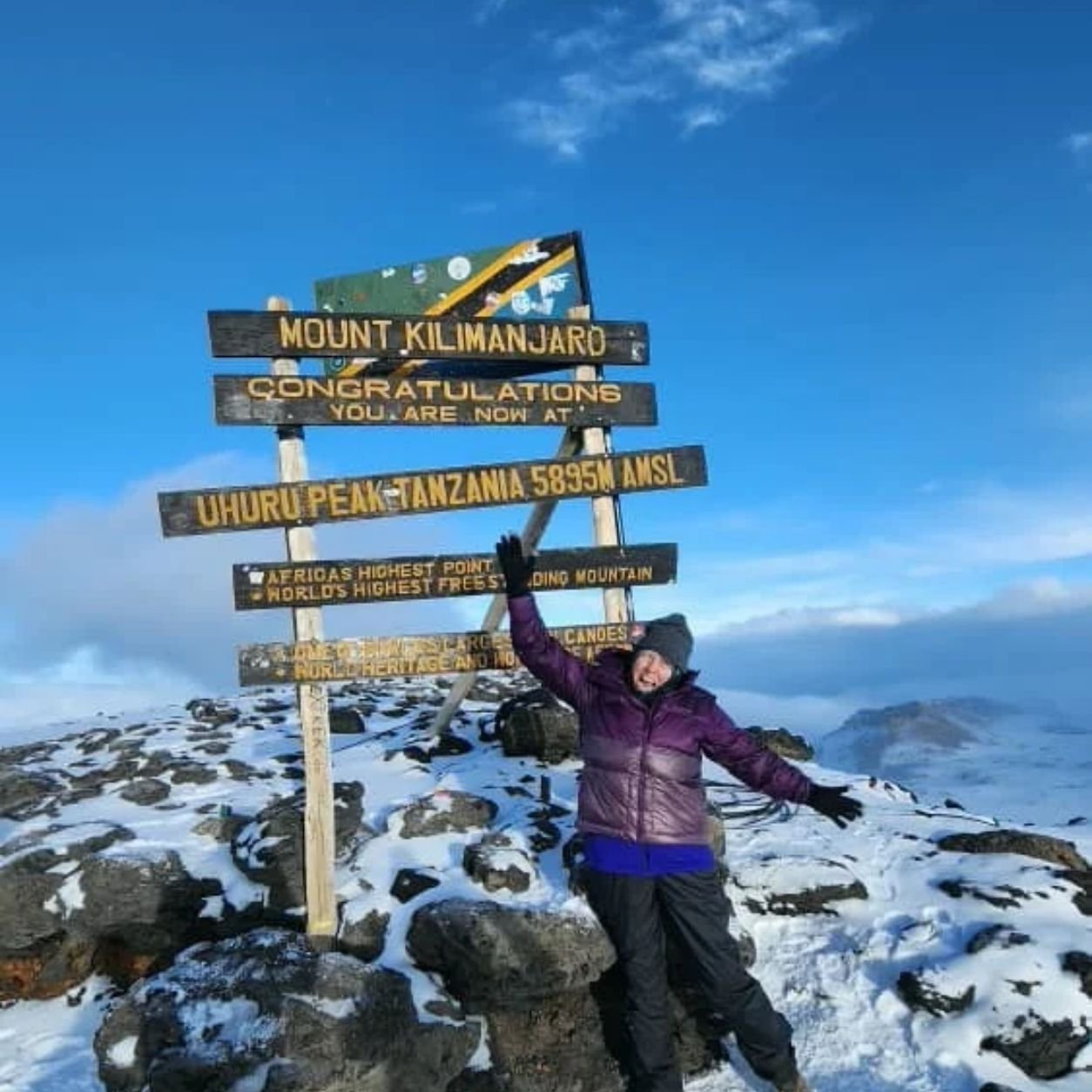
Set out around midnight on the steep, slow ascent towards Gilman’s Point. Follow the crater rim past Stella Point towards Uhuru Peak, the highest point in Africa. After a short summit stop, descend carefully to Kibo for a rest and continue down to Horombo on the Marangu trail.
Summit day is the longest and most demanding part of the trip. Timing and the turnaround decision depend on weather, pace and your condition; reaching the summit is never guaranteed.
Overnight: Horombo Camp · Tented camping
Meals: Breakfast, lunch and dinner.
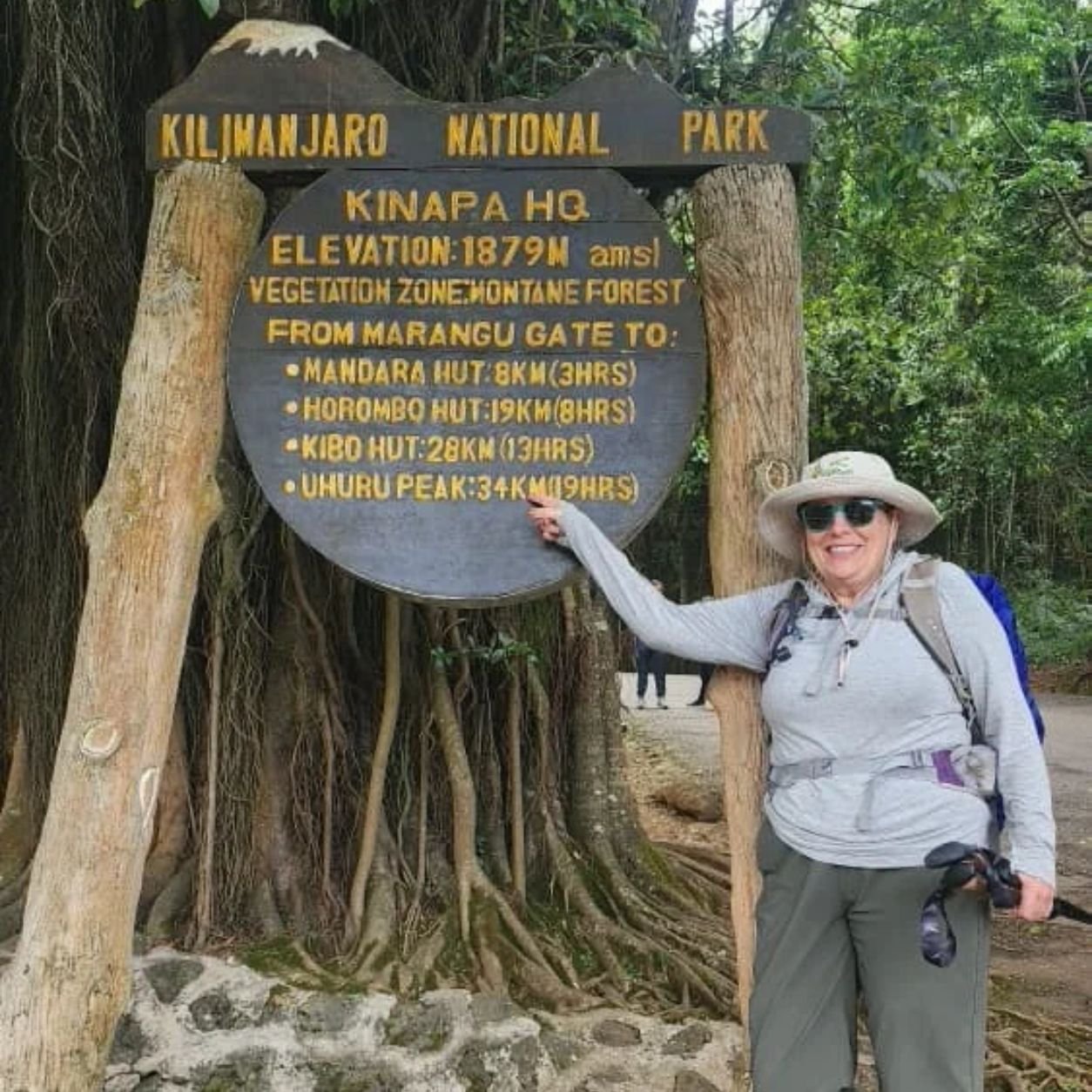
Horombo Camp to Marangu Gate
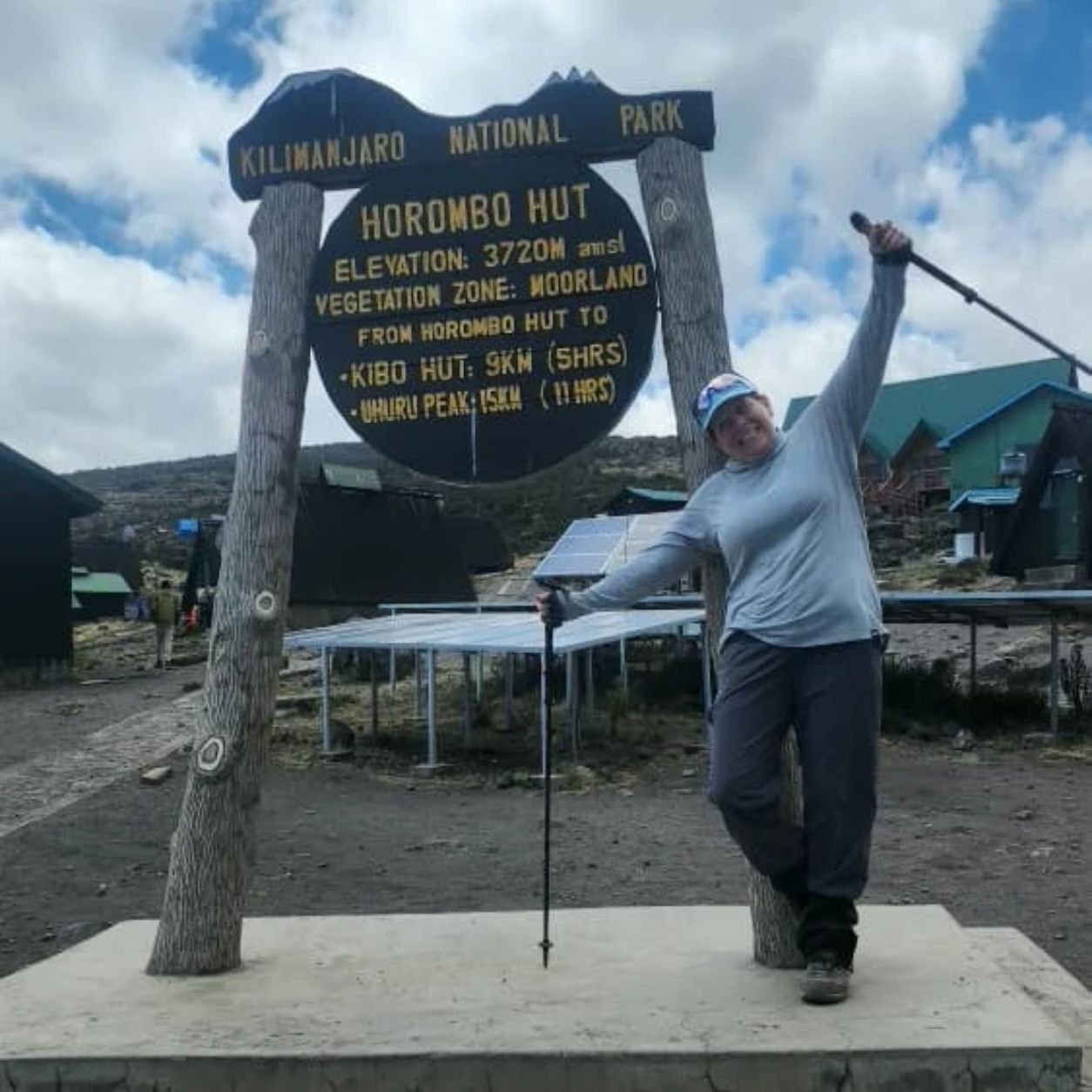
Descend through moorland to Mandara and continue into the rainforest towards Marangu Gate.
Read full day details
Descend through moorland to Mandara and continue into the rainforest towards Marangu Gate. Complete the park exit formalities, say farewell to the mountain crew and meet your transfer back to Moshi for a shower and a night at the hotel.
Use trekking poles and take care on damp forest paths. Summit certificates are issued according to the point reached and park procedures.
Overnight: Moshi hotel · Bed and breakfast
Meals: Breakfast and lunch. Dinner in Moshi is at your own expense.
6-day Rongai Route itinerary
A shorter program that walks from Simba to Kikelelwa via Second Cave in one day. Discuss the reduced acclimatization time with our team before choosing this option.
Rongai Gate to Simba Camp
After breakfast in Moshi, drive around Kilimanjaro to the northern trailhead near the Kenyan border.
Read full day details
After breakfast in Moshi, drive around Kilimanjaro to the northern trailhead near the Kenyan border. Complete registration and meet the mountain crew before beginning the walk through farmland and montane forest. The trail climbs steadily to Simba Camp, also called First Cave Camp.
Walk at a comfortable pace from the first hour. Your guide will introduce the daily routine and check how you feel before dinner.
Overnight: Simba Camp · Tented camping
Meals: Breakfast, lunch and dinner.
Simba Camp to Kikelelwa Camp
Leave the forest behind and walk into open moorland.
Read full day details
Leave the forest behind and walk into open moorland. Continue towards Second Cave, where clear weather can reveal Kibo and the eastern side of the mountain. After a break, branch towards the Mawenzi side and follow the trail into the sheltered valley around Kikelelwa Camp.
This is a longer trekking day. Keep water and an extra layer accessible, and tell your guide about any discomfort rather than waiting until camp.
Overnight: Kikelelwa Camp · Tented camping
Meals: Breakfast, lunch and dinner.
Kikelelwa Camp to Mawenzi Tarn
A shorter but steeper climb brings you above much of the vegetation.
Read full day details
A shorter but steeper climb brings you above much of the vegetation. The landscape opens into rugged alpine terrain beneath the jagged towers of Mawenzi. Arrive at Mawenzi Tarn, settle into camp and enjoy time to rest in this dramatic setting.
The short walking day still brings a significant altitude gain. An easy afternoon walk may be offered if conditions and your wellbeing allow.
Overnight: Mawenzi Tarn · Tented camping
Meals: Breakfast, lunch and dinner.
Mawenzi Tarn to Kibo Camp
Cross the broad Saddle between Mawenzi and Kibo.
Read full day details
Cross the broad Saddle between Mawenzi and Kibo. The ground is exposed, dry and often windy, with very little vegetation. Reach the camping area near Kibo Hut, eat an early meal and prepare your layers, headtorch and summit snacks before resting.
Your guide gives a summit briefing and confirms the departure time based on conditions and the group’s pace. Keep the afternoon quiet.
Overnight: Kibo Camp · Tented camping
Meals: Breakfast, lunch and dinner.
Kibo Camp to Uhuru Peak, then Horombo
Set out around midnight on the steep, slow ascent towards Gilman’s Point.
Read full day details
Set out around midnight on the steep, slow ascent towards Gilman’s Point. Follow the crater rim past Stella Point towards Uhuru Peak, the highest point in Africa. After a short summit stop, descend carefully to Kibo for a rest and continue down to Horombo on the Marangu trail.
Summit day is the longest and most demanding part of the trip. Timing and the turnaround decision depend on weather, pace and your condition; reaching the summit is never guaranteed.
Overnight: Horombo Camp · Tented camping
Meals: Breakfast, lunch and dinner.
Horombo Camp to Marangu Gate
Descend through moorland to Mandara and continue into the rainforest towards Marangu Gate.
Read full day details
Descend through moorland to Mandara and continue into the rainforest towards Marangu Gate. Complete the park exit formalities, say farewell to the mountain crew and meet your transfer back to Moshi for a shower and a night at the hotel.
Use trekking poles and take care on damp forest paths. Summit certificates are issued according to the point reached and park procedures.
Overnight: Moshi hotel · Bed and breakfast
Meals: Breakfast and lunch. Dinner in Moshi is at your own expense.
Elevations, distances and walking times are approximate. Camp names and heights vary between maps. Your guide may adapt the schedule for conditions, park instructions and the group’s wellbeing.
Departure day · Until the next adventure
Enjoy breakfast at your Moshi hotel before your included airport transfer. If you would like to continue with a Tanzania safari, a local day trip or Zanzibar, we can quote those arrangements separately.
Clear group pricing
7-day Rongai Route prices
Prices below are in US dollars per person, using the 2026 package rates supplied by Abdi Expeditions.
Climbing package
1 Person
$2,150USD per person · 7-day climb
Get a Quote →Popular choice
2–4 People
$1,950USD per person · 7-day climb
Get a Quote →Climbing package
5–7 People
$1,850USD per person · 7-day climb
Get a Quote →Climbing package
8+ People
$1,750USD per person · 7-day climb
Get a Quote →Prices are in USD per person and must be confirmed before booking.
6-day packages
6-Day Rongai Route Prices
Share your travel dates and group size for a confirmed quotation.
Climbing package
1 Person
Request a quoteTailored price · 6-day climb
Get a Quote →Popular choice
2–4 People
Request a quoteTailored price · 6-day climb
Get a Quote →Climbing package
5–7 People
Request a quoteTailored price · 6-day climb
Get a Quote →Climbing package
8+ People
Request a quoteTailored price · 6-day climb
Get a Quote →Know what is covered
Your climbing package
Included
- All Kilimanjaro National Park fees
- Professional English-speaking mountain guides
- Assistant guides, cook and porters
- Fair wages for the mountain crew
- All meals during the mountain climb
- Camping tents and sleeping mattress
- Emergency oxygen cylinder, pulse oximeter and first-aid kit
- Daily health checks
- Airport pickup and drop-off
- Two hotel nights: before and after the climb, bed and breakfast
- Government taxes
Not included
- International and domestic flights
- Tanzania visa
- Travel insurance
- Personal climbing gear
- Drinks and personal expenses
- Tips for the mountain crew
- Additional hotel nights and safari or Zanzibar extensions
Prepare well
A better climb starts before the trail
Build walking endurance
Prepare with regular long walks, hills and stairs. Practice consecutive walking days with the boots and daypack you plan to use on the mountain.
Pack for changing weather
Bring waterproof layers, warm insulation, broken-in boots, gloves, a headtorch and a suitable cold-weather sleeping bag. Ask for our complete packing list and rental options.
Allow time at altitude
Walk slowly, eat regularly and tell your guide promptly if you feel unwell. Daily checks support decisions, and your guide may recommend descent when needed.
When to climb
January to early March and June to October are commonly favored for trekking. Weather changes quickly on Kilimanjaro in every season. Although Rongai’s northern approach is generally drier, pack for rain, wind and freezing summit conditions.
Useful official travel information
Check park and destination information with Tanzania National Parks and Tanzania Tourism. Arrange insurance that explicitly covers your planned trek to 5,895m and the emergency assistance you may need.
Pack for every altitude
Your Kilimanjaro packing list
You will move from warm lower slopes to a cold, exposed summit environment. A complete layering system makes a real difference to comfort.
Keep your waterproofs, warm layer, drinking water, snacks, sun protection and personal essentials in your daypack. Pack your main mountain luggage in a soft duffel with waterproof inner bags, and confirm the luggage allowance with us before arrival.
Request packing list & rentalsEssential gear
- Broken-in waterproof trekking boots and hiking socks
- Moisture-wicking base layers and trekking trousers
- Warm fleece and insulated down or synthetic jacket
- Waterproof jacket and overtrousers
- Warm hat, sun hat, gloves and insulated mitts
- Cold-weather sleeping bag and sleeping essentials
- Daypack, duffel bag and waterproof liners
- Headtorch with spare batteries
- Trekking poles and water containers
- Sunglasses, sunscreen, toiletries and personal medication
Get ready for long mountain days
Train for the climb. Prepare for the descent.
Start with your current fitness and build steadily. The goal is comfortable, repeatable walking endurance rather than speed.
Regular movement
Use brisk walks, cycling or swimming to develop endurance. Add hills and stairs as your fitness improves, leaving time for recovery.
Longer hill walks
Gradually increase time on your feet. Practice with your trekking boots and daypack, and include descents to prepare your legs.
Consecutive days
As the trip approaches, try back-to-back walking days at a manageable effort. Test your layers and equipment before traveling.
Your team on the mountain
Climb with Abdi Expeditions
Local planning
Plan directly with a team based in Moshi. Discuss your route, arrival arrangements and equipment before you travel.
Daily attention
Your guides monitor the group through daily health checks and regular conversations about pace, appetite and wellbeing.
A supported expedition
Guides, cooks and porters work together to prepare camp, serve meals and support each stage of your climb, with fair crew wages included.
Your questions, answered
Rongai Route FAQs
Is Rongai easier than other Kilimanjaro routes?
Should I choose seven days or six days?
Do we sleep in huts on the Rongai Route?
How does the route reach Uhuru Peak?
Does Rongai descend on the same trail?
Are airport transfers and hotels included?
Can I join a group?
Can I combine the climb with a safari or Zanzibar?
Find your mountain journey
Explore other Kilimanjaro routes
Compare the landscapes, time on the mountain and accommodation before choosing your climb.
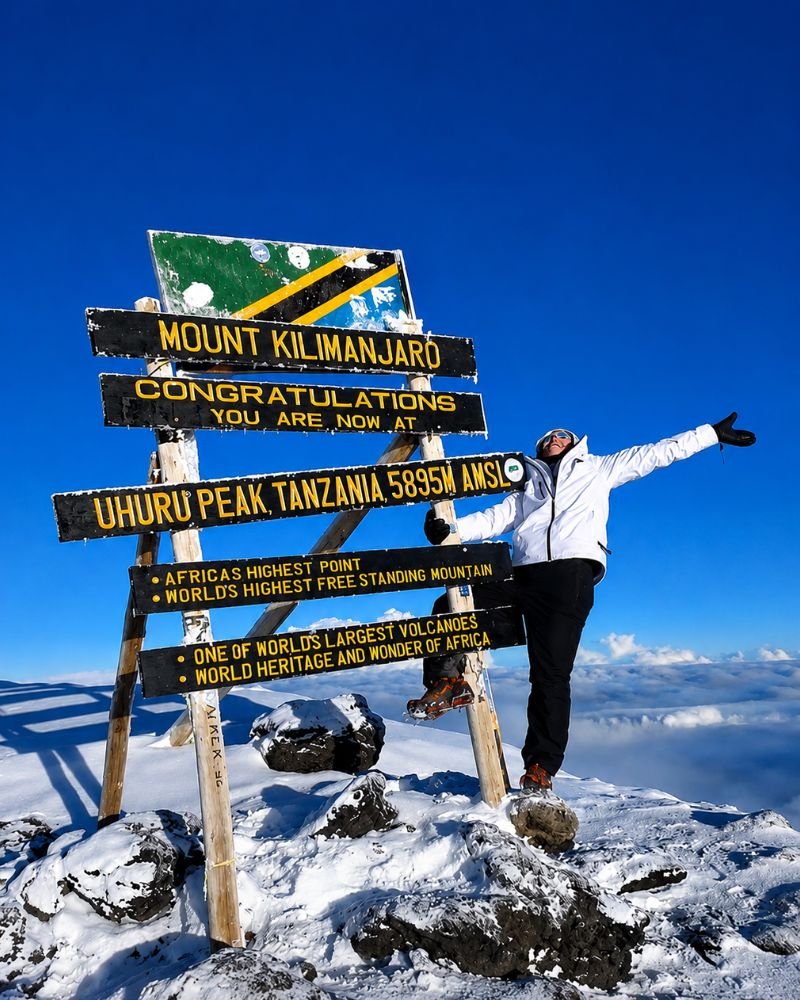
Lemosho Route
A varied western approach with longer itineraries for climbers who want more time on the mountain.
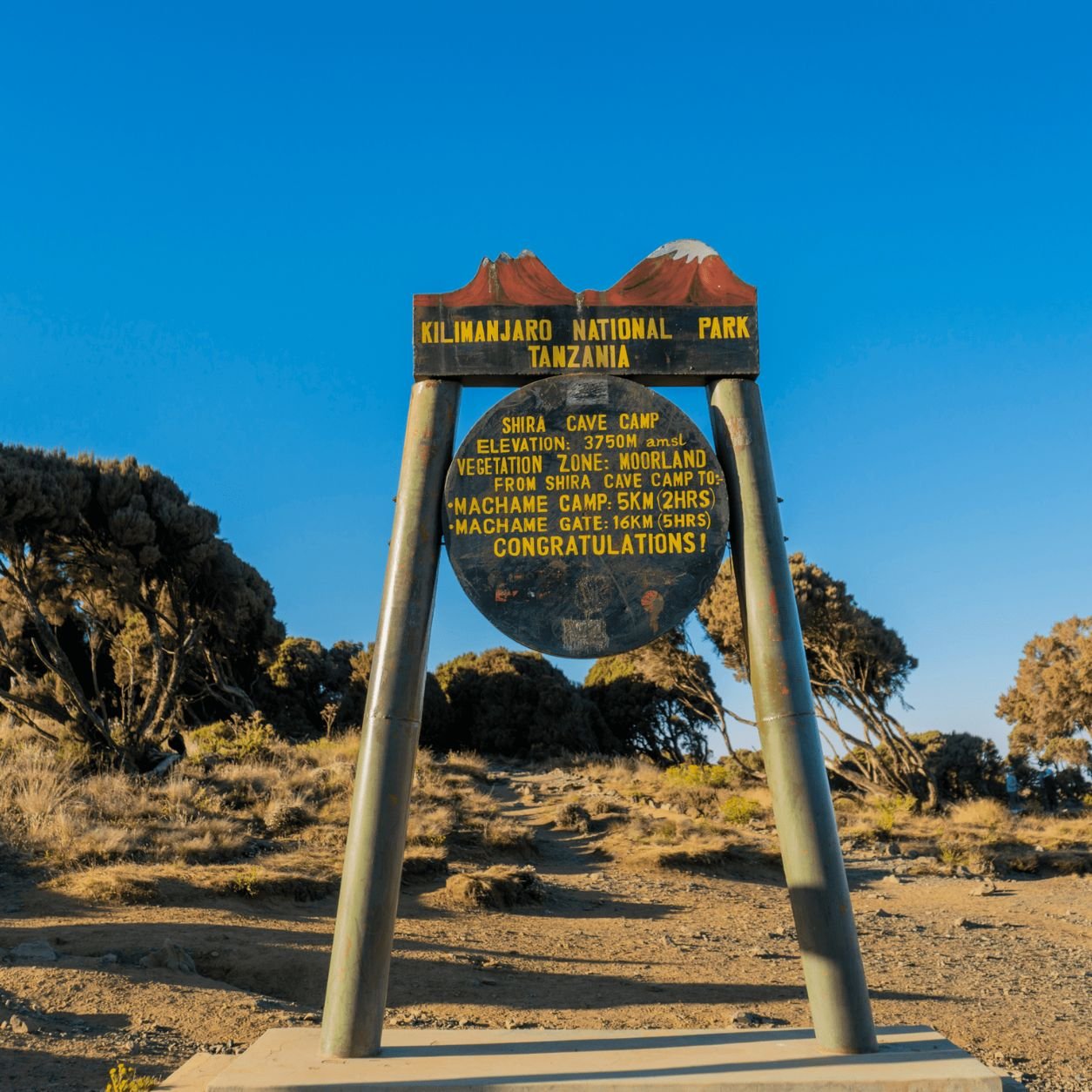
Machame Route
A lively southern trail with varied scenery, the Barranco Wall and a summit approach from Barafu.

Northern Circuit Route
A western start followed by a traverse around the northern slopes for those with more time.
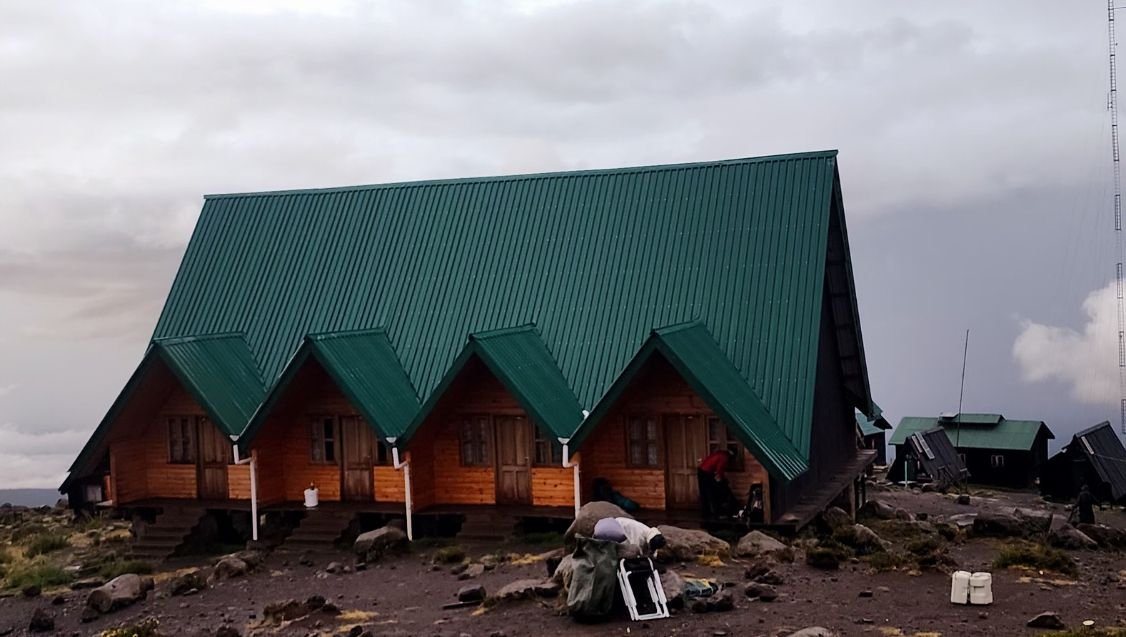
Marangu Route
A southeastern approach with hut accommodation and a summit ascent via Gilman’s Point.
Umbwe Route
A direct, steep beginning best discussed carefully with our team before making your choice.
Your adventure starts here
Ready to Climb Mount Kilimanjaro?
Plan your seven-day or six-day Rongai Route climb with Abdi Expeditions. Share your dates and group size for a personalized quotation.